YouTube has become one of the most widely used digital platforms worldwide, attracting billions of users every month. While many people recognize it as a place for video content, there is often debate about whether YouTube should be classified as social media. Understanding this distinction is crucial for marketers, businesses, and content creators seeking to leverage the platform effectively. YouTube combines video hosting, content sharing, and social interaction features such as comments, likes, subscriptions, and community engagement tools. These characteristics make it more than just a video library – it operates as a social space where users interact, form communities, and exchange ideas. In this comprehensive 2026 guide, GDMS explores YouTube’s platform classification, its role in social media marketing, and why businesses should consider YouTube as a core part of their social strategy in the USA and globally.
Understanding Whether YouTube Is Social Media or Not
The question of whether YouTube is social media is increasingly relevant for businesses and individuals alike. Social media platforms are generally defined as online services that enable users to create, share, and interact with content and communities. YouTube provides these exact functionalities: users can upload videos, comment on content, like or dislike videos, subscribe to channels, and share content across other social media. Moreover, YouTube supports live streaming, community posts, and collaborative features, allowing creators and viewers to engage in meaningful discussions. Understanding YouTube’s social elements helps marketers strategize content campaigns, build communities, and reach audiences effectively. By analyzing YouTube’s interactive features and communication tools, we can establish a clear answer to its classification and highlight its value for businesses looking to expand their social media presence.
What Makes YouTube Social Media? Core Definitions Explained
YouTube’s social media identity is rooted in its core functions: content creation, sharing, and interaction. Unlike traditional media, where communication is one-way, YouTube allows two-way engagement. Viewers can comment, respond, and connect with creators or other viewers, creating a dynamic social environment. Features like playlists, subscriptions, live chats, and community posts strengthen its social character. This participatory nature aligns with standard social media definitions, where user-generated content and interaction are fundamental. Additionally, the platform fosters niche communities, from gaming enthusiasts to educational content followers, which further reinforces its social ecosystem. Understanding these core elements is essential for businesses and marketers seeking to utilize YouTube as a social platform effectively.
Is YouTube Considered Social Media by Experts? (USA Perspective)
Experts and digital marketing authorities in the USA increasingly classify YouTube as a social media platform. Its user base exceeds 2 billion monthly active users, demonstrating the massive potential for social engagement. Analysts highlight that YouTube combines elements of traditional media and social networking, bridging the gap between passive video consumption and active community participation. Marketing specialists emphasize that YouTube’s interactive features—comments, community posts, and subscriptions—enable businesses to engage audiences like Facebook, Instagram, or TikTok. Recognizing this classification helps companies plan content strategies, measure engagement, and execute campaigns effectively. As a result, YouTube is widely recommended as both a content distribution platform and a social marketing tool by experts across the USA.
Why People Call YouTube Social Media
People refer to YouTube as social media because it meets the fundamental criteria of these platforms. Beyond video hosting, YouTube enables communication, sharing, networking, and community building. Users create content, interact with each other, and form digital relationships, similar to other social networks. Its social features include commenting, liking, subscribing, sharing, and participating in live streams. Moreover, influencers and creators leverage these tools to cultivate audiences, increase engagement, and monetize their communities. This participatory and interactive structure distinguishes YouTube from static media sites, reinforcing its identity as a social media platform. Recognizing this distinction is critical for businesses aiming to use YouTube strategically for marketing, branding, and audience growth.
Difference Between Social Media Definitions vs Online Video Platforms
While online video platforms focus primarily on content hosting and streaming, social media platforms emphasize interaction, engagement, and community. YouTube uniquely combines both aspects. It serves as a repository for videos like a traditional media platform but also integrates social features such as comments, likes, shares, subscriptions, and live chats. This hybrid model allows YouTube to operate as both a content platform and a social media network. Understanding the difference is crucial for marketers, who must approach YouTube not just as a video library but as a social ecosystem where engagement drives growth, brand recognition, and customer relationships.

YouTube Platform Classification – What Type of Platform Is YouTube Really?
Understanding YouTube’s platform classification helps businesses, marketers, and content creators position their strategies effectively. YouTube is often debated as either a social media platform, a video-sharing service, or a hybrid of both. Its functionality goes beyond traditional video hosting by providing interactive features that enable community engagement, content sharing, and collaboration. With live streaming, comments, subscriptions, and community posts, YouTube allows real-time interaction among users, which is a key characteristic of social media platforms. Recognizing YouTube as a social platform, rather than just a media library, is essential for businesses seeking to maximize reach, engagement, and ROI through content marketing and social campaigns in the USA.
Is YouTube a Social Media Platform or a Video-Sharing Platform?
YouTube uniquely combines characteristics of both video-sharing platforms and social media networks. As a video-sharing platform, it allows creators to upload, organize, and monetize content. Simultaneously, its social media elements—such as comments, live chats, likes, shares, and subscriptions—enable audience interaction and engagement. Users can follow channels, join communities, and participate in discussions, making it a dynamic social ecosystem. This dual functionality is why marketers and experts classify YouTube as a social media platform with strong video-sharing capabilities, which makes it indispensable for businesses aiming to connect with audiences on multiple levels, including engagement, branding, and community building.
Is YouTube a Social Networking Site?
YouTube also functions as a social networking site because it allows users to establish connections and maintain ongoing interactions. Subscribers can follow channels and receive notifications, comment on videos, and engage with creators and other viewers. These interactions create a network of users who share interests, opinions, and content. Unlike traditional one-way media, YouTube facilitates conversations, collaborations, and digital relationships. This social networking dimension is particularly valuable for businesses and marketers who want to cultivate loyal audiences, foster brand communities, and increase user engagement in ways similar to other social networking platforms.
YouTube Social Media Category Overview
YouTube falls under the category of video-based social media platforms, blending elements of content creation, sharing, and user interaction. Its social features include comments, likes, live streaming, and community posts, which enable audience engagement and networking. As a social media platform, YouTube supports both individual creators and brands in building communities and fostering relationships with their target audience. The platform’s categorization is crucial for businesses to plan marketing strategies effectively, ensuring that they utilize YouTube’s social features for audience growth, brand awareness, and long-term engagement.
YouTube as a Social Platform: Communication, Sharing & Interaction
YouTube provides extensive tools for communication, sharing, and interaction that define its social platform identity. Users can post comments, engage in live chats, create playlists, and collaborate on content, making interactions multidimensional. Content creators use these features to build loyal communities, encourage discussions, and share updates, while businesses leverage them to communicate with potential customers. This social functionality enables meaningful engagement beyond simple video consumption, positioning YouTube as a vital platform for marketing, networking, and community-building efforts, particularly for brands targeting U.S. audiences.
YouTube as a Content Platform or Social Media – What Category Does It Fall Under?
YouTube exists at the intersection of content platforms and social media. While it serves as a repository for videos, it also emphasizes user interaction through likes, comments, shares, and subscriptions. This hybrid model allows the platform to serve creators, viewers, and businesses simultaneously. Understanding its dual nature is crucial for marketers who want to optimize content strategy, foster engagement, and increase visibility. By leveraging YouTube’s social elements alongside its video hosting capabilities, businesses can achieve higher brand awareness, community engagement, and measurable ROI in a competitive social media landscape.
Is YouTube a Media or Social Media Platform?
YouTube is more than a media platform; it is a social media platform with extensive content capabilities. Traditional media focuses on broadcasting content to passive audiences, whereas YouTube enables active participation, feedback, and community building. By offering features like commenting, community posts, subscriptions, live chats, and content sharing, YouTube fosters user engagement in ways that traditional media cannot. Recognizing YouTube as a social media platform allows businesses to create strategies that leverage both video content and social interaction to maximize marketing effectiveness, audience growth, and brand loyalty.
YouTube Social Features Explained (Why It Counts as Social Media)
YouTube is considered a social media platform largely due to its interactive features that foster communication, engagement, and community-building. Beyond video hosting, YouTube allows users to like, comment, share, and subscribe, creating an ecosystem of interaction. Community posts, live streaming, and stories further enhance its social nature. These features encourage meaningful conversations between creators and viewers, allowing audiences to form relationships and participate actively rather than passively consuming content. For businesses, understanding these social features is vital for leveraging YouTube for marketing, branding, and engagement strategies. By using these tools effectively, companies can build a strong presence, increase audience loyalty, and maximize their social media impact.
YouTube User Engagement & Community Features
YouTube’s community features are central to its identity as a social media platform. Users can subscribe to channels, receive notifications, and participate in discussions through comments or polls. Community posts allow creators to share text, images, and updates, engaging audiences beyond video content. This engagement fosters loyal communities where users interact with both content and each other, strengthening social connections. For businesses, these features are invaluable for maintaining an active audience, generating feedback, and enhancing brand recognition. Strategic use of community features by marketers can drive meaningful engagement and strengthen long-term relationships with viewers.
Comments, Likes & Social Interaction on YouTube
YouTube’s comment section is one of the primary ways users interact, providing direct communication between viewers and creators. Likes and dislikes allow audiences to express opinions and feedback quickly. These interactions create a feedback loop, influencing content visibility, engagement metrics, and user satisfaction. Businesses can monitor comments to understand audience preferences, respond to queries, and build credibility. The social interaction facilitated by these tools positions YouTube as more than a video-sharing platform; it acts as a network where users can converse, collaborate, and influence each other’s opinions, making it a dynamic environment for both creators and brands.
How YouTube Enables Social Networking
YouTube’s social networking capabilities allow users to connect, follow, and engage with communities that share similar interests. Subscribers can interact with creators through live streams, community posts, and comments, while creators can foster networks by collaborating with other channels. Playlists, collaborative content, and shared interests further enhance networking opportunities. These features support content discovery and relationship-building, making YouTube a robust platform for social interaction. For businesses and marketers, leveraging these social networking tools can improve audience reach, brand trust, and engagement while enabling real-time communication with potential customers.
YouTube Creators Community & Influencer Ecosystem
YouTube hosts a thriving creators’ community and influencer ecosystem, which reinforces its social media classification. Influencers collaborate with brands, engage with fans, and participate in multi-channel networks to increase reach. This ecosystem facilitates peer-to-peer connections and fosters communities around shared interests. Businesses benefit from this network by partnering with creators for sponsored content, campaigns, or promotions. Understanding the creators’ community helps marketers identify key influencers, design targeted strategies, and maximize social engagement, demonstrating that YouTube is an essential social media platform for both individuals and businesses in 2026.
YouTube as a Communication Tool vs Traditional Social Media Platforms
YouTube acts as both a content platform and a communication tool, bridging gaps that traditional social media platforms may not fully cover. Features such as live streaming, comments, and community posts allow creators to communicate directly with audiences in real time. Unlike passive video platforms, YouTube encourages two-way communication and interaction, creating meaningful relationships. For businesses, this makes YouTube a vital platform for marketing campaigns, customer support, and community-building. Its communication tools complement other social networks by providing an interactive space for discussions, engagement, and digital networking, making it a powerful tool in any social media strategy.

YouTube vs Other Social Media Platforms
YouTube stands out among social media platforms because it is primarily video-based, while others like Facebook, Instagram, or Twitter focus more on text, images, or short-form content. Its unique algorithm prioritizes watch time, engagement, and relevance, which differs from platforms relying mainly on likes, shares, or trending hashtags. For businesses, understanding these differences is crucial to develop effective marketing strategies. YouTube offers long-form content opportunities, live streaming, and a robust creator ecosystem, allowing brands to build deeper connections with audiences. Comparing YouTube with other platforms highlights why it should be considered a social media channel, not just a video-sharing site.
Is YouTube Different from Facebook and Instagram?
YouTube differs from Facebook and Instagram primarily in content type and engagement style. While Facebook and Instagram emphasize short-form posts, stories, and social networking interactions, YouTube focuses on long-form videos, tutorials, and educational content. Its recommendation algorithm, search-driven content discovery, and community features create a unique user experience. Users often visit YouTube to learn, explore, or watch entertainment content rather than solely social updates. Businesses can leverage this difference to create detailed tutorials, product demos, or influencer collaborations that maximize engagement, demonstrating YouTube’s unique value as both a social media and content-driven platform.
Video-Based Social Media Platforms vs Image/Text Platforms
Video-based social media platforms like YouTube provide dynamic engagement opportunities compared to image/text-based platforms. Videos offer higher retention, storytelling capabilities, and immersive experiences, encouraging longer user sessions. Platforms like Instagram or Twitter are effective for quick updates, but YouTube allows in-depth content, discussions, and social interaction through comments, live streams, and community posts. For marketers, video content enables better storytelling, brand visibility, and audience connection. Understanding these distinctions helps businesses choose the right platform for their objectives, combining short-form and long-form strategies to maximize reach, engagement, and conversions.
YouTube vs Social Media Platforms – Key Functional Differences
YouTube’s functional differences compared to traditional social media include its focus on video algorithms, watch time, and monetization options. Unlike platforms built around friend networks or quick posts, YouTube emphasizes discovery through search and suggested content. User engagement metrics like comments, shares, likes, and subscriptions play a significant role in content visibility. Additionally, YouTube supports live streaming, premieres, and community posts, creating multifaceted interaction opportunities. Recognizing these unique features allows businesses to tailor content strategies for YouTube, achieving higher engagement and measurable ROI compared to relying solely on traditional social media platforms.
Online Video Platforms vs Social Networking Sites: Classification Breakdown
YouTube blends characteristics of online video platforms and social networking sites. As a video platform, it hosts diverse content from tutorials and entertainment to vlogs and educational material. As a social networking site, it encourages engagement through comments, shares, likes, subscriptions, and live interactions. This hybrid classification allows businesses and creators to build both brand visibility and interactive communities. Understanding this dual nature ensures marketers use YouTube effectively, combining the benefits of video content marketing with the social engagement tools typical of platforms like Facebook, Instagram, and TikTok.

Is YouTube Social Media for Marketing? Full Breakdown for USA Brands
YouTube is an essential tool for social media marketing, particularly for businesses in the USA aiming to reach diverse audiences. Its combination of video content and social features allows brands to communicate effectively with customers, increase engagement, and drive conversions. YouTube marketing involves creating valuable content, leveraging community features, and optimizing videos for search and recommendations. Businesses can run ads, collaborate with influencers, or use live streams to engage users directly. By treating YouTube as a social media platform rather than just a video site, brands can integrate it into broader social campaigns, build loyal communities, and achieve measurable results in both brand awareness and revenue.
Does YouTube Count as Social Media for Marketing?
Yes, YouTube counts as social media for marketing because it provides interactive tools to connect with audiences. Features like comments, likes, shares, community posts, and subscriptions enable engagement and feedback, critical for any social media strategy. Brands can track performance metrics, respond to audience questions, and foster loyal communities. Unlike traditional advertising, YouTube marketing allows two-way communication, giving companies insights into customer preferences while promoting products or services. Its dual role as a content platform and social network makes YouTube indispensable for businesses seeking both visibility and meaningful interaction.
Why YouTube Is a Social Media Marketing Tool
YouTube’s social features transform it into a marketing tool beyond video hosting. Businesses can leverage influencer partnerships, interactive content, and community engagement to strengthen brand identity. Channels can be customized to reflect brand values, showcase products, and connect directly with audiences. The platform’s analytics tools allow precise tracking of engagement, demographics, and viewing patterns. Using YouTube as a social media marketing tool enables companies to create campaigns tailored to audience interests, increase retention, and generate measurable results, making it a strategic choice for U.S. businesses aiming to dominate online presence.
YouTube Social Media Marketing for Brands
Brands can use YouTube to reach audiences through organic content, paid advertising, and influencer collaborations. Organic strategies include tutorials, product demos, and storytelling videos that encourage sharing and engagement. Paid strategies involve targeting audiences with YouTube ads, increasing visibility and conversions. By engaging users through comments, community posts, and live streams, brands strengthen loyalty and credibility. YouTube’s social media marketing potential allows businesses to combine content creation with interactive engagement, ensuring that marketing campaigns are not only seen but also experienced and shared by viewers.
Is YouTube Part of Social Media Marketing Strategies?
YouTube is a central component of modern social media marketing strategies. Its dual nature as a content and social platform enables businesses to reach audiences at multiple touchpoints. Companies can use it for brand storytelling, tutorials, influencer campaigns, and community engagement, integrating it with Instagram, Facebook, or TikTok campaigns. Its analytics and algorithm-driven suggestions help marketers optimize reach, engagement, and conversion rates. Recognizing YouTube as a core social media marketing channel ensures that brands in the USA and globally can build long-term visibility, maintain audience engagement, and achieve measurable ROI.
Social Media Marketing on YouTube: Tips, Tricks & GDMS Best Practices
GDMS recommends a strategic approach to YouTube social media marketing. Tips include creating engaging thumbnails, optimizing titles and descriptions for search, leveraging community posts, and using live streams to engage audiences. Collaborations with influencers expand reach, while consistent posting schedules improve audience retention. Monitoring comments and feedback helps refine content and build credibility. By following these best practices, businesses can maximize YouTube’s potential as a social media platform, increasing brand awareness, fostering community engagement, and achieving measurable results in marketing campaigns.
YouTube Algorithm, Content Creation & Video Marketing Platforms Overview
YouTube’s algorithm plays a crucial role in content visibility, emphasizing watch time, engagement, and relevance. Understanding it helps marketers create optimized videos, schedule content, and maximize reach. Effective content creation involves storytelling, audience engagement, and strategic calls-to-action. Businesses can integrate YouTube with other video marketing platforms to expand reach, cross-promote content, and drive conversions. By mastering the algorithm and leveraging YouTube’s social media features, marketers ensure content reaches the right audience, enhances engagement, and delivers measurable impact, making it a powerful tool for social media marketing in 2026.

Is YouTube Good for Business? Marketing, Growth & ROI
YouTube is a highly effective platform for business growth, offering unique opportunities for marketing, audience engagement, and measurable ROI. Its combination of video content and social media features allows companies to build brand authority, connect with customers, and drive conversions. Businesses can utilize YouTube for product demonstrations, tutorials, testimonials, and live events, engaging viewers in a highly interactive format. The platform’s analytics provide insights into user behavior, helping brands optimize strategies and measure success. With billions of active users worldwide, YouTube is a critical channel for businesses in the USA and globally seeking to enhance visibility, strengthen brand loyalty, and achieve tangible results.
Get Your Custom YouTube Strategy From GDMS Today
Is YouTube Social Media for Business?
Yes, YouTube functions as social media for businesses by enabling interactive engagement and community building. Companies can create branded channels, post content regularly, and interact with audiences via comments, polls, and live sessions. Subscribers and followers form a loyal community, providing feedback and increasing brand trust. This two-way communication makes YouTube an ideal platform for B2B and B2C marketing, combining content visibility with social interaction. Businesses that strategically leverage YouTube’s social features can improve customer relationships, boost brand authority, and increase engagement metrics, ensuring long-term growth and success in the digital landscape.
Does YouTube Count as a Social Media Presence for Brands?
YouTube counts as a critical social media presence for brands because it supports brand storytelling, content marketing, and audience engagement. Unlike static websites, YouTube channels allow brands to interact directly with their target audience, respond to comments, and showcase personality. A strong YouTube presence increases credibility, trust, and search visibility. For businesses in the USA, integrating YouTube with other social channels amplifies reach and drives conversions. Recognizing YouTube as a core part of a social media strategy ensures that companies are effectively leveraging video content and social features to grow their audience and maintain a competitive edge.
Why Businesses Consider YouTube a Digital Tool & Social Media Asset
YouTube is more than a video platform; it is a strategic digital tool and social media asset. Companies can use it to launch marketing campaigns, share educational content, and connect with audiences worldwide. Its interactive features—comments, likes, shares, and live streaming—foster engagement and strengthen customer relationships. Additionally, YouTube’s monetization and advertising options make it a measurable channel for ROI. Businesses that treat YouTube as a core social media asset can enhance brand awareness, reach target audiences, and drive meaningful growth, making it indispensable for modern marketing strategies.
Buy YouTube Social Shares – Does It Help Growth? GDMS Recommendations
Buying YouTube social shares can provide a short-term boost in engagement metrics, but GDMS recommends combining this tactic with organic strategies for sustainable growth. Artificially inflating views or likes may improve perceived popularity, but authentic interaction through content, comments, and community engagement drives real ROI. GDMS advises brands to focus on creating high-quality content, collaborating with influencers, and engaging audiences through live streams and community posts. This approach ensures long-term credibility, stronger engagement, and measurable business growth, positioning YouTube as a valuable social media asset rather than a temporary numbers game.
Safety, Kids & Regulatory Considerations
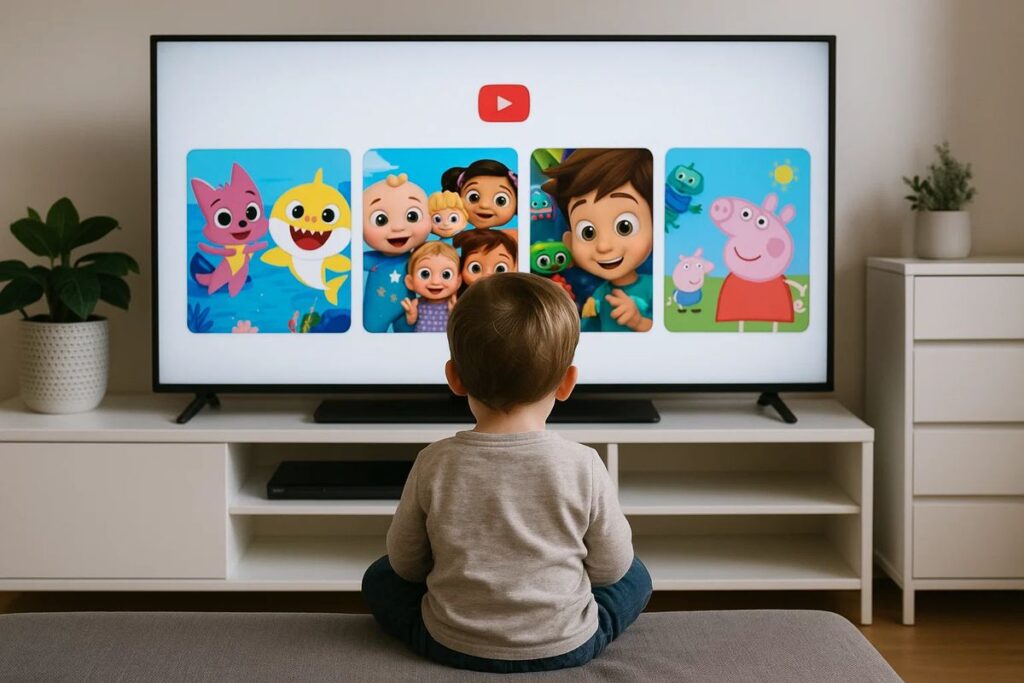
YouTube’s popularity among children and families makes safety and regulatory compliance a critical consideration. While the platform offers educational and entertaining content, it also hosts material that may be inappropriate for younger audiences. Features like YouTube Kids, parental controls, and content moderation aim to create a safer environment. Businesses, marketers, and parents need to understand these safety measures to protect children and maintain compliance with U.S. regulations. Brands using YouTube for marketing must also adhere to community guidelines, advertising standards, and privacy policies to ensure ethical and safe engagement. Understanding these safety and regulatory considerations ensures responsible use for both audiences and brands.
Is YouTube Considered Social Media for Kids?
Yes, YouTube can be considered a form of social media for kids when used appropriately. Children can watch videos, interact with content through likes or shares, and subscribe to kid-friendly channels. However, unrestricted access can expose children to age-inappropriate content. Platforms like YouTube Kids are designed to filter content, restrict social interactions, and provide a safer viewing experience. Recognizing YouTube as a social media platform for kids requires careful supervision, parental controls, and responsible usage to ensure a safe, engaging, and educational environment while maintaining the platform’s interactive social features.
Is YouTube a Safe Social Media for Kids in the USA?
YouTube has implemented multiple safety features to protect children in the USA, including restricted mode, parental controls, and YouTube Kids. These tools help filter inappropriate content and manage screen time. Despite these measures, parental supervision is essential to ensure children access safe and age-appropriate content. For brands targeting younger audiences, compliance with regulations like COPPA (Children’s Online Privacy Protection Act) is mandatory. Understanding YouTube’s safety measures allows parents and marketers to balance content accessibility, educational value, and social engagement while minimizing risks for children.
Is YouTube Safer Than Other Social Media Platforms?
Compared to other social media platforms, YouTube offers a structured approach to safety through moderation, content policies, and tools like YouTube Kids. Unlike platforms centered on direct messaging or social networking, YouTube’s content-driven design reduces some exposure risks. However, engagement features such as comments, live chats, and community posts still require supervision, particularly for younger audiences. For businesses and parents, understanding these safety advantages and limitations ensures responsible content consumption, adherence to regulations, and effective use of YouTube as a secure social media platform.
YouTube Policies & Community Guidelines Overview
YouTube’s community guidelines and policies are designed to maintain a safe, respectful, and lawful platform. They prohibit harmful content, harassment, misinformation, and inappropriate material. Marketers, creators, and businesses must adhere to these rules to avoid penalties and maintain credibility. Features like comment moderation, reporting tools, and restricted mode help enforce compliance. Understanding these policies allows brands to create engaging content safely while protecting younger audiences. GDMS recommends businesses prioritize these guidelines in their content strategy to ensure a safe, ethical, and legally compliant presence on YouTube.
YouTube Popularity & Market Position in the USA
YouTube holds a dominant position in the U.S. social media landscape, attracting billions of monthly users who watch, share, and interact with content. Its vast reach makes it a top choice for businesses, marketers, and content creators aiming to maximize visibility and engagement. The platform’s combination of social features, analytics, and algorithm-driven recommendations ensures that content can reach both broad and niche audiences efficiently. Understanding YouTube’s market position helps brands develop targeted marketing strategies, optimize content for maximum impact, and leverage the platform’s popularity to strengthen brand recognition and drive measurable growth in 2026.
Is YouTube the Most Used Social Media in the USA?
YouTube consistently ranks as one of the most used social media platforms in the USA. With users of all age groups accessing content daily, the platform outperforms many competitors in engagement and reach. Its unique blend of entertainment, education, and user-generated content attracts both casual viewers and dedicated audiences. Businesses that recognize YouTube’s widespread adoption can capitalize on its reach by creating engaging video content tailored to target demographics, enhancing brand visibility, and establishing a significant social media presence.
Is YouTube the Biggest Social Media Platform Globally?
Globally, YouTube is considered one of the largest social media platforms due to its extensive user base, content variety, and engagement levels. Its availability across devices, algorithm-driven recommendations, and support for multiple languages make it accessible to billions of users worldwide. For businesses and marketers, this global footprint provides opportunities to reach international audiences, launch global campaigns, and build cross-border communities, positioning YouTube as a critical component of any comprehensive social media strategy.
Is YouTube Part of the Social Media Industry?
YouTube is a core player in the social media industry, influencing trends, marketing strategies, and user engagement models. Its integration of social features like subscriptions, comments, likes, and community posts aligns it with other major social networks. Businesses and marketers rely on YouTube for advertising, influencer partnerships, and brand campaigns, demonstrating its central role in the industry. Recognizing YouTube as part of the social media ecosystem helps brands plan campaigns that leverage both content creation and social interaction effectively.
Is YouTube a Meta Platform? Clarifying Industry Hierarchy
While YouTube is owned by Meta’s competitor, Google (Alphabet Inc.), it operates as an independent platform within the broader social media industry. It holds a unique position due to its video-centric model, user-generated content, and community-driven engagement. Unlike platforms owned by Meta, YouTube combines social networking, content sharing, and marketing features under a single platform, making it a hybrid social media entity. Understanding this hierarchy allows marketers to differentiate strategies for YouTube compared to Facebook, Instagram, or other social media channels, maximizing growth and engagement opportunities.

Practical Uses of YouTube
YouTube serves a wide range of practical purposes for individuals, businesses, and educators. Its functionality goes beyond entertainment, offering opportunities for content sharing, education, networking, and marketing. Users can upload videos, engage with communities, and discover content tailored to their interests. Businesses leverage YouTube for brand promotion, tutorials, influencer campaigns, and product launches, while educators use it for online learning and tutorials. Understanding these practical uses allows marketers and users to maximize YouTube’s potential, combining its video-sharing capabilities with social interaction tools to achieve visibility, engagement, and measurable results.
Learn How GDMS Creates Engaging YouTube Content
What Is YouTube Used For Today?
YouTube is used for a variety of purposes, including entertainment, education, marketing, and social networking. Users watch tutorials, product reviews, vlogs, and live streams, while businesses use it to engage customers and promote products. Creators use it to build communities and monetize content, and educators leverage it for instructional material. Its versatility allows YouTube to serve different demographics and industries simultaneously. By understanding these use cases, brands and individuals can strategically create content that engages audiences, drives social interaction, and achieves business objectives, making it an essential platform in 2026.
Videos About Social Media & Education on YouTube
YouTube is a key resource for learning about social media, marketing strategies, and various educational topics. Tutorials, webinars, and explainer videos help users understand platforms, trends, and best practices. Businesses use educational content to position themselves as experts, provide value to customers, and generate trust. Creators also use educational content to grow followers, increase engagement, and enhance credibility. This practical function highlights YouTube’s dual role as both a social media platform and an educational tool, helping audiences acquire knowledge while interacting with content and creators.
YouTube Content Sharing & Messaging Features
YouTube allows users to share content publicly, privately, or within communities, enhancing its social media capabilities. Users can send video links, create playlists, comment, and participate in live streams, fostering engagement. Messaging and sharing features enable collaboration and discussions, connecting audiences across interests. For businesses, these tools are essential for promoting content, engaging with viewers, and encouraging sharing to increase visibility. The platform’s content-sharing features make it a vital social media channel that combines discovery, interaction, and marketing potential.
Can YouTube Be Used for Social Networking?
Yes, YouTube can be used for social networking by connecting creators, subscribers, and viewers through comments, likes, live chats, and collaborations. Users form communities around shared interests, engage in discussions, and participate in interactive content. Businesses and marketers can leverage these networking capabilities to build brand communities, interact with target audiences, and foster loyal relationships. By understanding YouTube as a social networking tool, brands can implement strategies that maximize engagement, visibility, and user retention, turning viewers into active participants rather than passive observers.
Discover How GDMS Can Track Your Brand Mentions Using AI Tools
YouTube for Creators, Businesses, Kids & General Users
YouTube serves multiple user groups effectively. Creators use it to showcase talent, monetize content, and engage followers. Businesses leverage it for marketing campaigns, product demonstrations, and brand building. Kids can access educational content safely via YouTube Kids, while general users watch entertainment or tutorials. Each user group interacts differently with the platform, highlighting YouTube’s versatility as both a social media and content-sharing tool. Understanding these diverse practical uses allows marketers, educators, and parents to maximize benefits while maintaining safety, engagement, and content quality.

Full Classification Answers to Top Queries
YouTube’s classification often sparks debate: is it a social media platform, a video-sharing site, or a hybrid? Understanding its role helps users, businesses, and marketers determine how to leverage it effectively. YouTube combines content creation, social engagement, and networking features, making it both a video platform and a social media tool. It supports likes, comments, subscriptions, live streaming, and community interactions, which are hallmarks of social media. Addressing the top classification queries clarifies its role for marketing, education, entertainment, and communication purposes.
Is YouTube Social Media or Not?
Yes, YouTube qualifies as social media because it enables social interaction, community building, and content sharing. Users can comment, like, subscribe, and engage with creators and other viewers, creating dynamic online communities. Businesses and marketers use these features to engage audiences, foster loyalty, and drive conversions. Its social aspects, combined with video content, distinguish it from platforms that focus solely on passive consumption, making YouTube a social media platform that balances communication, interaction, and content distribution.
Does YouTube Count as Social Media?
YouTube counts as social media due to its interactive features and engagement tools. Beyond sharing videos, users connect through comments, live streams, and community posts, forming networks and social interactions. For businesses, this means YouTube can function as a social media marketing channel, enhancing brand presence and customer relationships. Recognizing YouTube as a social media platform allows companies to integrate it into broader digital strategies, leveraging both content marketing and social networking to reach and engage target audiences effectively.
Is YouTube a Social Media App?
Yes, the YouTube app functions as a social media platform on mobile devices. It allows users to upload content, interact with creators, and participate in communities directly from smartphones and tablets. Mobile engagement drives accessibility, watch time, and social interactions, making the app essential for both personal use and business marketing. The YouTube app enables creators and brands to reach audiences on the go, maximize engagement, and maintain consistent communication through social media features like comments, likes, and notifications.
Is YT Social Media? (Short-Form Query Response)
YouTube (YT) is social media because it fosters interaction, community engagement, and content sharing. Users can comment, subscribe, and engage with creators, making it more than a passive video platform. For businesses, YT’s social features enable marketing campaigns, audience growth, and brand engagement. Its social aspects complement traditional video-sharing functions, creating a hybrid platform that serves both social and content-driven needs in the digital landscape.
Does YouTube Fall Under Social Media Categories?
YouTube falls under the social media category due to its interactive features, community-building tools, and engagement mechanisms. Unlike pure video hosting sites, YouTube enables users to form networks, participate in discussions, and share content socially. Businesses leverage these features for marketing, customer engagement, and brand growth. Understanding YouTube’s position within social media categories helps brands design integrated strategies that combine content creation with audience interaction, maximizing both reach and engagement.
Quick Answer Section: “How Would You Describe the Social Networking Site YouTube?”
YouTube can be described as a hybrid social networking and video-sharing platform. It allows users to create, share, and interact with content while forming communities through comments, subscriptions, and live interactions. Businesses, educators, and creators use it to reach audiences, build networks, and drive engagement. As a social networking site, YouTube balances entertainment, education, and marketing opportunities, making it one of the most versatile platforms in the digital and social media ecosystem today.
Expert Tips & Strategic Guidance From GDMS
GDMS provides expert guidance for maximizing YouTube as a social media and marketing tool. Businesses in the USA can leverage YouTube to enhance brand visibility, engage audiences, and drive measurable growth. Using strategic planning, analytics, and content optimization, GDMS ensures that marketing campaigns deliver results. From community engagement to content creation, brands can benefit from insights on algorithm optimization, audience targeting, and platform features. Following GDMS’s strategies allows businesses to stay ahead in a competitive digital landscape, converting YouTube into a powerful social media marketing asset while maintaining credibility, trust, and long-term growth.
Discover GDMS Proven YouTube Growth Strategies
Why GDMS Recommends Using YouTube for Social Media Marketing
GDMS recommends YouTube because it combines content creation and social interaction, making it ideal for brand promotion. The platform’s global reach and engagement features enable businesses to build loyal communities, educate audiences, and drive sales. YouTube allows detailed analytics tracking, which helps brands optimize content for maximum visibility and ROI. By integrating YouTube into broader marketing campaigns, businesses can leverage its unique features to connect meaningfully with audiences, ensuring social media strategies are effective, measurable, and aligned with overall business goals.
GDMS YouTube Growth Strategies (USA-Specific)
GDMS implements USA-specific strategies to grow YouTube channels effectively. This includes analyzing trending topics, optimizing video SEO, leveraging local influencers, and targeting key demographics. Strategies involve consistent posting schedules, engaging thumbnails, interactive content, and live streaming to maximize audience retention. By understanding U.S. audience behavior, brands can increase engagement, subscriber growth, and social reach. GDMS ensures that businesses use YouTube not just as a video platform but as a core social media tool for meaningful marketing results and competitive advantage.
How GDMS Helps You Optimize YouTube Content Creation & Engagement
GDMS assists businesses with creating high-quality videos that resonate with target audiences. Optimization includes keyword research, title and description enhancement, engaging visuals, and compelling calls-to-action. GDMS also guides brands in building community engagement through comments, polls, live sessions, and collaboration with influencers. Continuous performance monitoring and analytics help refine strategies, ensuring content reaches the right audience. This holistic approach maximizes the social media potential of YouTube, turning views into meaningful interactions, growth, and measurable marketing results.
Advanced Tips: Improving YouTube SEO, Watch Time & Audience Retention
GDMS recommends optimizing YouTube SEO by using targeted keywords, playlists, and metadata to improve discoverability. High-quality thumbnails, engaging intros, and audience-focused content increase watch time and retention. Regular posting schedules, end screens, and call-to-action strategies maintain viewer interest. Leveraging analytics helps identify content performance trends, allowing continuous improvement. These advanced techniques ensure that YouTube content not only attracts viewers but also retains them, boosting engagement metrics and enhancing social media marketing outcomes.
GDMS vs Other Agencies – Why We Are the #1 Marketing & Development Agency in the USA
GDMS stands out due to a full-service approach combining strategy, content creation, analytics, and audience engagement. Unlike other agencies, GDMS focuses on measurable results, long-term growth, and tailored strategies for each brand. Expertise in social media platforms, including YouTube, ensures businesses gain maximum ROI. With proven strategies, advanced tools, and U.S.-specific insights, GDMS delivers marketing campaigns that drive engagement, conversions, and brand authority. Choosing GDMS guarantees that YouTube and social media efforts are optimized for growth, credibility, and measurable success.
When to Choose GDMS for YouTube & Social Media Marketing
Businesses seeking expert guidance, measurable growth, and strategic results should choose GDMS for YouTube and social media marketing. GDMS provides a complete, end-to-end solution—from content creation to analytics and audience engagement—tailored to the U.S. market. Whether launching a new channel, improving engagement, or integrating YouTube into a broader social media strategy, GDMS ensures that brands achieve maximum visibility, ROI, and audience connection. With proven expertise, industry knowledge, and a client-first approach, GDMS helps businesses dominate YouTube and social media landscapes in 2026.
Schedule Your Free YouTube Consultation With GDMS
Complete YouTube Marketing Setup by GDMS
GDMS offers a full YouTube marketing setup, including channel creation, branding, content strategy, SEO optimization, and social media integration. Each element is tailored to the business’s goals and target audience. From designing visually appealing thumbnails to creating engaging video content and scheduling uploads, GDMS ensures every aspect is optimized. This end-to-end setup allows businesses to establish a professional, effective YouTube presence that maximizes engagement and strengthens social media marketing efforts.
Maximize Your ROI with AI Today – See How GDMS Can Help
End-to-End YouTube Social Media Optimization Services
GDMS provides comprehensive YouTube optimization services, covering metadata, keyword research, video descriptions, and playlist management. Community engagement is enhanced through comment moderation, live streams, and interactive posts. Performance analytics guide strategy refinements, ensuring sustained growth and measurable results. These end-to-end services guarantee that businesses are not only visible on YouTube but also fully leveraging its social media potential, driving engagement, traffic, and conversions effectively.
How GDMS Helps You Dominate YouTube Search, Suggested & Shorts
GDMS strategies focus on maximizing visibility across YouTube Search, Suggested Videos, and Shorts. By optimizing keywords, thumbnails, watch time, and engagement metrics, businesses can appear in high-traffic areas of the platform. Shorts content increases discoverability among younger audiences, while suggested video optimization ensures retention and continuous growth. This multi-layered approach ensures brands reach the right viewers, boost social media presence, and convert views into loyal followers and customers.
Why Businesses Trust GDMS for YouTube + Social Media Growth in 2026
Businesses trust GDMS for its proven expertise, strategic approach, and measurable results. Tailored solutions, cutting-edge strategies, and U.S.-specific insights ensure every campaign is optimized for engagement, growth, and ROI. GDMS prioritizes client success by combining content creation, analytics, and social media marketing expertise. This holistic approach builds credibility, strengthens brand visibility, and maximizes YouTube and social media performance, making GDMS the top choice for businesses aiming to dominate digital marketing in 2026.
Is YouTube Social Media? Final Expert Verdict
After analyzing YouTube’s features, engagement tools, and business applications, it is clear that YouTube qualifies as a social media platform. It combines video content creation, community interaction, and social networking features, making it a hybrid platform with both social and media functionalities. Businesses, creators, and educators benefit from its broad reach, engagement potential, and marketing capabilities. Recognizing YouTube as a core social media channel allows brands to integrate it effectively into marketing strategies, leverage its algorithm, and build strong audience communities. GDMS recommends treating YouTube as both a social media and content platform to maximize visibility, growth, and ROI in 2026.
Let GDMS Build Your YouTube Social Media StrategyAction-Oriented Today
Summary of Platform Classification
YouTube is classified as a social media platform due to its interactive features such as comments, subscriptions, likes, and community posts. It also functions as a content-sharing platform, supporting video uploads, live streams, and playlists. This dual functionality places YouTube in a unique category that bridges social networking and media distribution. For businesses and marketers, understanding this classification is crucial to creating strategies that combine content marketing with social engagement, maximizing reach, and fostering long-term relationships with audiences.
Why YouTube Fits the Social Media Definition
YouTube fits the social media definition because it enables users to connect, share, and interact with each other. Features like commenting, subscribing, live streaming, and sharing create social interactions similar to platforms like Facebook and Instagram. Its community-building tools and user engagement metrics allow businesses to foster loyal audiences, encourage dialogue, and amplify brand messaging. This combination of interactivity and content distribution ensures that YouTube fulfills the core criteria of social media while remaining a leading video platform.
Why Businesses Should Treat YouTube as a Core Social Media Channel
Businesses should treat YouTube as a core social media channel to fully leverage engagement, reach, and marketing opportunities. Its algorithm promotes videos based on user interaction, making content visibility closely tied to social activity. By using YouTube strategically, brands can improve awareness, nurture customer relationships, and drive conversions. Integrating YouTube with other social channels amplifies marketing impact, enhances audience retention, and provides measurable growth. Treating YouTube as a core social media channel ensures that companies stay competitive and maximize ROI in the evolving digital landscape.
Let GDMS Build Your YouTube Social Media Strategy
GDMS offers expert YouTube social media strategy services tailored to businesses in the USA. From channel setup to content creation, SEO optimization, community engagement, and analytics, GDMS provides an end-to-end solution. By implementing proven strategies, monitoring performance, and optimizing for growth, GDMS ensures that YouTube becomes a powerful marketing and social media tool. Businesses partnering with GDMS can maximize reach, improve engagement, and achieve measurable results, making their YouTube presence both impactful and profitable.