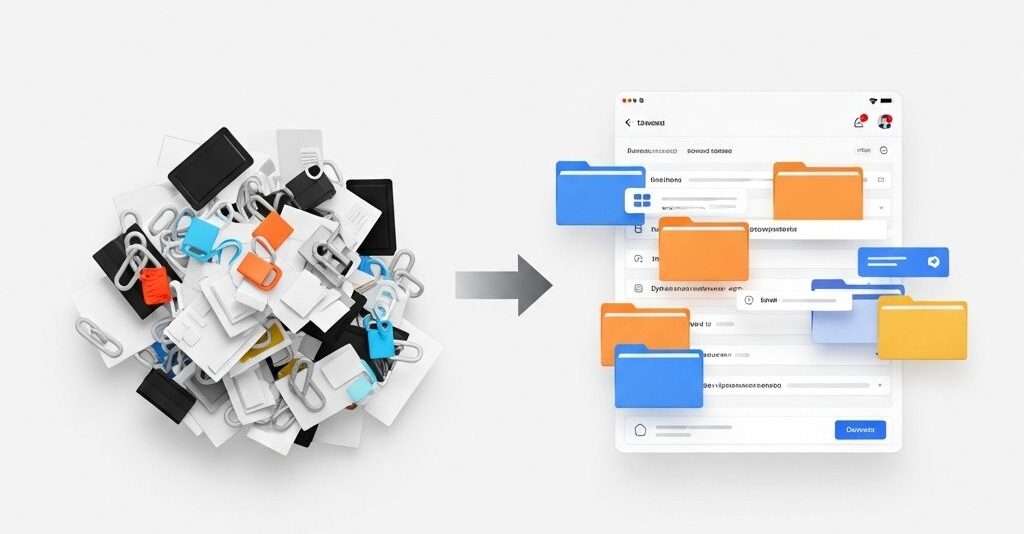
The internet is filled with content that ranges from fully safe-for-work (SFW) to explicitly not safe-for-work (NSFW), and understanding this distinction is crucial for both personal and professional online safety. NSFW vs SFW content impacts how we browse, work, and protect our families from inappropriate material. NSFW content often includes explicit language, adult imagery, or graphic media that may be inappropriate in offices, schools, or around children. On the other hand, SFW content is generally safe, professional, and suitable for public or work environments. Learning how to identify NSFW content, implement safe browsing practices, and use internet content filters is essential in 2026. At GDMS, we provide comprehensive guidance, tools, and strategies for businesses and individuals to manage NSFW content, protect children online, and ensure a safe, productive digital experience while maximizing online efficiency and security.
What Does NSFW Mean Online?
NSFW meaning stands for “Not Safe for Work,” which indicates content that is inappropriate for professional or public settings. This can include adult content, graphic images, offensive material, or anything that may disrupt workplace productivity. NSFW is often marked in social media, forums, and emails to warn viewers before they click. Understanding what NSFW content entails helps users, parents, and organizations maintain safe browsing habits. GDMS offers tailored strategies to identify NSFW content before it reaches employees or children, ensuring your digital experience remains secure. Online content safety is not just about avoiding explicit material—it also promotes productivity, compliance, and a safe browsing environment for all users.

NSFW Meaning and Examples
NSFW content includes adult videos, graphic imagery, and explicit language. Social media posts, private messages, and certain websites are typical sources of NSFW content. For example, content tagged “NSFW” on platforms like Reddit or Discord often requires user discretion. Understanding these examples helps individuals and organizations prevent accidental exposure to inappropriate material. GDMS provides solutions that allow users to identify and filter NSFW content automatically, using workplace filters, parental controls, and browser settings to protect both adults and children while maintaining seamless online navigation.
How to Identify NSFW Content Before Opening Links
Avoiding NSFW content starts with recognizing warning signs before clicking links. Check the source, look for adult content warnings, and consider preview features. Browser plugins and extensions offered by GDMS can detect and flag NSFW content in real-time. Educating teams and families about these strategies ensures online safety and prevents exposure to harmful content. Additionally, understanding URL structures and using safe browsing tools enhances your ability to identify NSFW content proactively.
NSFW vs SFW Content Explained for Beginners
NSFW content is typically adult, graphic, or offensive, while SFW content is professional, safe, and suitable for public viewing. Beginners should understand these differences to avoid inappropriate exposure. NSFW content may appear in videos, images, or websites that are not suitable for work, whereas SFW content is widely acceptable and encourages safe internet use. GDMS provides resources, tools, and educational materials to teach beginners how to distinguish NSFW from SFW content efficiently, ensuring a safe digital environment for work, school, and home.
NSFW Content in Social Media, Images, and Videos
Social media platforms often host both SFW and NSFW content. Videos, images, and posts can be flagged as NSFW, requiring caution before viewing. Tools like content filters, parental controls, and safe browsing extensions help limit exposure. GDMS assists businesses, schools, and families in setting up automated filtering systems, ensuring that NSFW content is blocked effectively. Understanding how NSFW content is shared on platforms like Instagram, Twitter, and TikTok is essential for maintaining digital safety and workplace productivity.
Avoid Awkward Clicks at Work – NSFW? Not on Our Watch!
What is SFW Content?
SFW content, or safe-for-work material, is appropriate for viewing in professional, public, or family environments. SFW content includes informative articles, professional videos, educational materials, and entertainment suitable for all audiences. Unlike NSFW content, SFW content ensures safe browsing without fear of inappropriate exposure. GDMS provides strategies to implement SFW practices in organizations and households, allowing teams and families to access online resources confidently. Safe browsing practices, content filtering, and internet monitoring tools are part of GDMS’s comprehensive solutions to maintain a secure online experience.

SFW Meaning and Examples
SFW meaning stands for content suitable for public or work environments. Examples include company blogs, tutorial videos, educational websites, and official social media posts. Using these examples as benchmarks helps users understand what content can be safely shared or accessed in professional and educational settings. GDMS provides custom strategies for creating and sharing SFW content, ensuring your online presence remains professional and safe for all viewers.
How is SFW Content Different from NSFW Content?
The key difference lies in appropriateness. SFW content is professional, safe, and non-offensive, while NSFW content contains material that could be considered explicit or inappropriate. Businesses and parents must differentiate between the two to prevent accidental exposure and maintain productivity. GDMS solutions provide training, content management systems, and safe browsing tools to reinforce SFW practices across digital platforms.
Discover SFW Solutions for Work and School – Partner with GDMS for Safe Browsing.
Is SFW Content Really Safe for Work?
While SFW content is generally safe, organizations must still implement guidelines to ensure it aligns with workplace standards. Even educational or entertainment material can sometimes contain borderline content. GDMS advises using safe browsing tools, internet filters, and workplace protocols to ensure SFW content remains entirely appropriate, providing a safe and productive online experience.
Surf Smart, Stay Safe – Let GDMS Guard Your Screens!
Key Differences Between NSFW and SFW Content
Understanding the differences between NSFW and SFW content is critical for safe browsing. NSFW is adult-oriented, graphic, or offensive, whereas SFW is professional, safe, and publicly acceptable. GDMS emphasizes the importance of content categorization, using automated filtering, educational resources, and monitoring tools. Businesses, parents, and individuals can benefit from these strategies to prevent exposure to inappropriate material while maintaining productivity and digital safety.

Difference Between NSFW and SFW Content Explained
NSFW content includes explicit imagery, videos, or language, while SFW content excludes these elements and is safe for work, school, or family viewing. The distinction helps users filter content and implement online safety measures effectively. GDMS integrates content categorization into workplace and home environments, ensuring consistent protection against NSFW exposure.
Examples of NSFW and SFW Content
Examples help users understand the boundaries between safe and unsafe material. NSFW examples include adult websites, graphic videos, or offensive social media posts. SFW examples include online courses, business blogs, and educational videos. GDMS provides tailored solutions to filter NSFW content automatically and ensure that SFW content is accessible, promoting safe and productive online engagement.
NSFW vs SFW Meaning for Teenagers and Adults
For teenagers and adults, distinguishing between NSFW and SFW is crucial to avoid exposure to harmful material. NSFW content may impact development, productivity, or workplace performance, while SFW content encourages safe browsing habits. GDMS delivers resources, parental controls, and educational programs to guide safe online behavior for all age groups.
Say Goodbye to NSFW Surprises – Secure Online Experience with GDMS!