Creating error-free, high-quality embroidery artwork design requires a structured, technical, and design-led approach that ensures visual clarity translates perfectly into stitched output. Many brands struggle when converting digital artwork into embroidery because pixel-based images lose detail, vector files are not optimized, or stitch paths are incorrectly defined. At GDMS, we specialize in delivering custom embroidery design solutions that eliminate these issues through professional vector optimization, digitizing precision, and machine-ready formatting. The goal is to ensure every logo, illustration, or concept is converted into a production-ready embroidery file without distortion, misalignment, or quality loss. High-quality embroidery design depends on understanding stitch density, fabric behavior, thread flow, and scalability. When these elements are properly managed, businesses achieve consistent branding across apparel, uniforms, and promotional products. This guide explains how professionals solve embroidery design challenges, improve clarity, and ensure flawless machine execution for long-term branding success and production efficiency.
How to Create Professional Embroidery Graphics for Your Brand Without Losing Quality
Creating professional embroidery graphics requires more than just designing a logo; it involves preparing artwork that maintains clarity under stitching constraints. Many businesses face issues like blurry output, broken edges, or inconsistent thread alignment when designs are not optimized. The best approach is to build scalable vector artwork that preserves detail across different sizes and fabrics. At GDMS, we focus on structured embroidery preparation where every shape, line, and color is adjusted for machine compatibility. This ensures your branding remains sharp and recognizable after stitching. Understanding how embroidery machines interpret designs is critical to avoiding quality loss. Proper spacing, simplified shapes, and controlled color transitions are essential. With expert refinement, your brand can achieve embroidery graphics that are both visually appealing and technically accurate, ensuring long-lasting quality across uniforms, apparel, and promotional materials.
What is the best way to design graphics for embroidery use and avoid stitching errors?
The best way to design graphics for embroidery use is to start with clean vector artwork that is simplified for stitching accuracy. Unlike print design, embroidery requires controlled shapes, reduced detail complexity, and optimized color segmentation. Stitching errors often occur when designs include overly thin lines, gradients, or high-density pixel details that machines cannot interpret correctly. At GDMS, we restructure artwork by refining curves, adjusting stitch direction, and balancing density to ensure smooth production output. A proper embroidery-ready design avoids overlapping paths and ensures thread flow consistency. Additionally, selecting the right stitch types—such as satin, fill, or running stitch—helps prevent distortions. By following structured digitizing principles, businesses can eliminate common production issues and achieve clean, professional embroidery results that maintain brand integrity across all materials and applications.
How do I turn a logo idea into a printable embroidery design that works on machines?
Turning a logo idea into a machine-ready embroidery design requires a conversion process that transforms conceptual artwork into structured stitch data. First, the logo must be recreated or traced in vector format to ensure scalability. Then, it is digitized into stitch paths that define how the machine will sew each element. At GDMS, we analyze logo structure, simplify unnecessary details, and assign appropriate stitch types based on fabric behavior. This process ensures the final output remains clean and readable even at small sizes. A key challenge is maintaining brand identity while adapting design limitations. Therefore, adjustments are made without altering core visual elements. Proper spacing, stitch direction, and thread mapping ensure smooth execution. The result is a production-ready embroidery file that accurately represents the original logo while meeting machine performance standards.
Converting concepts into scalable embroidery artwork without losing detail
Converting concepts into scalable embroidery artwork requires balancing detail preservation with machine limitations. Many designs lose clarity when scaled because they rely on pixel-based structures rather than vector precision. The solution is to rebuild artwork using scalable geometry and stitch-aware design principles. At GDMS, we reconstruct artwork by refining edges, optimizing curves, and reducing unnecessary micro-details that cannot translate into thread form. This ensures the design remains readable at both small and large embroidery sizes. Stitch simulation is also used to predict output behavior before production. By adjusting stitch density and direction early, we maintain clarity without sacrificing visual identity. This structured approach ensures embroidery artwork remains consistent across multiple applications, from caps to jackets, while preserving the original design intent and brand recognition.
Why embroidery-ready design preparation matters for branding consistency
Embroidery-ready design preparation is essential for maintaining branding consistency across different apparel types. Without proper preparation, logos can appear distorted, uneven, or misaligned depending on fabric texture and machine settings. At GDMS, we ensure every design undergoes a structured optimization process that aligns with production standards. This includes vector correction, stitch path planning, and color reduction for machine compatibility. Branding consistency is achieved when every embroidered piece looks identical regardless of scale or material. Poor preparation often leads to thread breaks, misalignment, or fading details, which negatively impact brand perception. Proper embroidery design preparation eliminates these risks by standardizing output quality. This ensures that businesses maintain a professional and trustworthy appearance across uniforms, promotional items, and corporate apparel, strengthening overall brand identity in competitive markets.
How to approach to transforming ideas into production-ready embroidery graphics
Transforming ideas into production-ready embroidery graphics requires a structured workflow that begins with conceptual clarity and ends with machine optimization. At GDMS, we first analyze the idea to understand its visual intent and complexity level. The artwork is then converted into vector format and simplified for embroidery feasibility. Each element is assigned specific stitch types based on its shape and density requirements. Technical adjustments such as stitch angle, underlay support, and thread tension simulation are applied to ensure production stability. The final stage involves testing digital previews to identify potential distortions. This ensures the design is fully optimized before reaching the machine stage. By following this methodical approach, businesses can convert creative ideas into reliable embroidery outputs that maintain quality, consistency, and durability across all production runs.
How to Convert Logos and Images into Embroidery-Ready Vector Graphics
Converting logos and images into embroidery-ready vector graphics is a critical step in achieving clean stitching results. Raster images often contain pixel noise, blurred edges, and inconsistent scaling, which makes them unsuitable for embroidery production. The solution is to rebuild artwork in vector format where lines, curves, and shapes remain mathematically precise. At GDMS, we specialize in converting complex logos into structured vector embroidery files that ensure smooth machine interpretation. This process includes cleaning edges, simplifying details, and optimizing color layers for thread compatibility. Proper vector conversion also eliminates distortion issues during scaling and stitching. By ensuring accuracy at the vector stage, businesses can avoid production errors and maintain consistent branding across all embroidered products, including uniforms, caps, and promotional apparel, ensuring professional-grade output every time.
Perfect your design craft → Now solve branding & visual identity issues like a pro
How do designers create clean vector graphics for embroidery and stitching accuracy?
Designers create clean vector graphics for embroidery by focusing on precision, simplification, and scalability. The process begins with tracing or rebuilding artwork using vector software, ensuring that every line and curve is mathematically accurate. At GDMS, we refine these vectors further by removing unnecessary anchor points, smoothing edges, and optimizing shapes for stitch conversion. Clean vector graphics are essential because embroidery machines interpret paths rather than pixels. Any inconsistency in vector structure can lead to misalignment or broken stitches. Designers also consider stitch direction and density during vector preparation to ensure smooth thread flow. By maintaining structured geometry and eliminating visual noise, vector graphics become highly compatible with embroidery systems, resulting in sharp, durable, and professional stitching output that accurately represents the original brand identity.
What is the correct way to convert JPEG into embroidery file without distortion?
The correct way to convert a JPEG into an embroidery file involves transforming the raster image into a structured vector format before digitizing it into stitches. JPEG files contain pixel-based data, which cannot be directly used for embroidery machines. At GDMS, we begin by cleaning the image, enhancing edges, and rebuilding it as a vector graphic. Once vectorized, the design is digitized into stitch paths that define machine movement. This ensures that no distortion occurs during scaling or stitching. Key adjustments include reducing unnecessary detail, correcting proportions, and defining stitch types based on design complexity. Proper conversion also involves testing simulation previews to identify potential errors before production. This structured process ensures that JPEG images are accurately transformed into embroidery-ready files without quality loss or design breakdown.
How to fix pixel images and prepare them for vector embroidery conversion
Fixing pixel images for embroidery conversion requires enhancing clarity and rebuilding structural accuracy before vectorization. Low-resolution images often contain blurred edges and inconsistent color transitions, which must be corrected before processing. At GDMS, we first enhance image sharpness and remove noise using digital refinement techniques. The image is then manually traced or auto-vectorized, followed by detailed correction of curves and edges. This ensures that the final vector is clean and scalable. Additional adjustments include simplifying complex gradients and converting them into solid stitch-friendly shapes. By preparing pixel images properly, designers ensure smooth embroidery conversion without distortion or data loss. This step is critical for achieving accurate stitching results, especially for logos and branding elements that require high precision and consistency across multiple fabric types.
Best practices to avoid quality loss when converting logo into embroidery graphics
Best practices for avoiding quality loss during logo conversion include starting with high-resolution source files, simplifying design elements, and using structured vector workflows. At GDMS, we ensure logos are reconstructed with embroidery limitations in mind, reducing overly fine details and optimizing shapes for stitch accuracy. Another key practice is maintaining proper color separation to avoid thread blending issues. Stitch density must also be balanced to prevent fabric puckering or thread breakage. Additionally, simulation testing is used to preview embroidery output before final production. These practices ensure that logos retain their identity while adapting to embroidery requirements. By following a controlled conversion process, businesses can avoid distortion, maintain sharp branding, and achieve consistent, high-quality embroidery results across all applications.
Expert vector embroidery design workflow for flawless results
An expert vector embroidery workflow combines design precision with technical digitizing expertise. At GDMS, the process begins with analyzing the original artwork to identify complexity levels and potential stitching challenges. The design is then recreated in vector format, ensuring clean geometry and scalability. After vector optimization, stitch mapping is applied to define thread direction, density, and type. Each element is carefully tested using digital embroidery simulation to detect errors early. Adjustments are made to eliminate overlaps, distortions, or excessive stitch density. The final output is exported in machine-compatible formats ready for production. This workflow ensures flawless embroidery results by integrating design accuracy with technical execution, allowing businesses to achieve professional-grade branding consistency across all embroidered products.
Fixing Common Embroidery Graphic Problems and Design Errors
Fixing embroidery graphic problems requires a diagnostic and correction-driven approach rather than simple visual editing. Most issues such as blurry stitching, uneven outlines, or misaligned elements occur due to poor digitizing structure, incorrect stitch density, or unoptimized vector input. At GDMS, we treat embroidery errors as technical output failures that originate from design-stage inefficiencies. Our custom embroidery design solutions focus on identifying root causes like pixel dependency, weak stitch mapping, and fabric mismatch. Once identified, we restructure the design using precise vector correction and stitch recalibration. This ensures that the final embroidery output is stable, clean, and production-ready. By addressing both design and machine interpretation layers, we eliminate recurring production defects and help brands maintain consistent quality across all embroidered apparel, ensuring reliability, sharp branding, and professional-grade stitching performance across different production environments.
Design without errors in embroidery—now design without friction in mobile apps with UI/UX wireframes
Why does my image lose quality when converting into embroidery design?
Images lose quality during embroidery conversion because raster graphics are not inherently designed for stitch translation. Pixel-based images degrade when scaled, and fine details often collapse into blurred or broken stitch paths. At GDMS, we explain this as a mismatch between pixel resolution and stitch resolution. Embroidery machines do not read pixels; they interpret paths, angles, and density. When an image is directly converted without vector restructuring, detail loss becomes unavoidable. Additionally, gradients, shadows, and thin lines fail during stitching interpretation. To prevent quality loss, artwork must be rebuilt into vector format and simplified for stitch feasibility. This ensures controlled detail reproduction and prevents distortion during machine execution. Proper conversion eliminates sharpness issues and preserves brand identity across embroidered outputs.
How do I fix blurry graphics after embroidery digitizing and stitching issues?
Fixing blurry embroidery results requires correcting both digitizing structure and stitch execution parameters. Blurriness often occurs when stitch density is too high or when improper underlay support causes thread overcrowding. At GDMS, we resolve this by re-evaluating stitch paths, adjusting density balance, and refining vector edges before re-digitizing. Another common cause is poor scaling, where designs are enlarged without recalibrating stitch settings. We correct this by rebuilding scalable embroidery files with precise stitch mapping. Fabric type also plays a role; unstable fabrics can distort thread alignment. By optimizing stitch direction, tension, and spacing, we restore clarity and sharpness. This structured correction process ensures embroidery outputs are crisp, readable, and aligned with professional branding standards.
Causes of thread gaps, uneven stitches, and poor alignment in designs
Thread gaps, uneven stitches, and misalignment are typically caused by incorrect stitch density, improper underlay settings, or weak vector structure. At GDMS, we identify that most alignment issues originate during digitizing when stitch paths overlap or fail to support fabric movement. If density is too low, gaps appear; if too high, fabric puckering occurs. Uneven stitches often result from inconsistent stitch direction or poorly defined anchor points. Additionally, fabric stretch and machine calibration issues can amplify these defects. To fix this, we restructure stitch flow, balance density, and introduce stabilizing underlays. Proper alignment also requires testing simulation before production. By addressing these technical factors, embroidery designs achieve smooth, even stitching with professional-grade accuracy and durability across all fabric types.
How to fix jagged edges, distortion, and scaling issues in embroidery graphics
Jagged edges, distortion, and scaling issues occur when vector paths are not optimized or when designs are resized without stitch recalibration. At GDMS, we correct this by refining vector curves, smoothing anchor points, and rebuilding stitch paths for scalability. Jagged edges usually come from low-quality raster tracing, which introduces irregular outlines that machines cannot interpret cleanly. Distortion appears when stitch direction is inconsistent or when elements are stretched beyond their structural limits. Scaling issues arise when embroidery files are enlarged without adjusting stitch density. Our correction process involves rebuilding artwork at the vector level, recalibrating stitch parameters, and testing output simulations. This ensures clean edges, stable proportions, and distortion-free embroidery results that maintain visual integrity across all production sizes.
GDMS error correction system for embroidery digitizing problems
The GDMS error correction system is designed to systematically identify and resolve embroidery digitizing failures before production. We begin by analyzing stitch files for density imbalance, misalignment, and path inefficiencies. Each design undergoes vector revalidation to ensure structural accuracy. Next, we simulate stitching behavior to detect potential distortions or thread breaks. Adjustments are then applied to stitch type, direction, and underlay support to stabilize output. Our system also addresses compatibility issues between design files and embroidery machines. By combining technical diagnostics with design refinement, we ensure that every file is production-ready. This structured correction system allows businesses to eliminate embroidery defects, reduce production waste, and achieve consistent, high-quality stitching results across all branding applications.
How to Optimize Graphics for Embroidery Machines and File Compatibility
Optimizing graphics for embroidery machines is a technical requirement that ensures smooth file interpretation and error-free production. Many embroidery failures occur due to incompatible file formats, excessive stitch density, or unoptimized vector paths. At GDMS, we specialize in preparing machine-ready embroidery files that meet strict compatibility standards across different embroidery systems. Our optimization process ensures that every design is structured for efficient stitching, balanced thread flow, and stable machine execution. We also address file corruption risks, format mismatches, and registration errors that commonly disrupt production. By refining both design structure and technical parameters, we ensure that embroidery files are not only visually accurate but also fully compatible with industrial embroidery machines, enabling seamless production and consistent branding output for businesses.
Create Perfect Embroidery Designs, Then Unlock AI-Driven UI/UX Secrets
What file format is best for converting graphics into embroidery design systems?
The best file format for embroidery design systems depends on machine compatibility, but commonly used formats include DST, PES, EXP, and JEF. These formats contain stitch data rather than visual graphics, allowing embroidery machines to interpret needle movement accurately. At GDMS, we first convert artwork into vector format before exporting it into machine-specific embroidery files. This ensures that all stitch paths, density settings, and thread sequences are preserved correctly. Choosing the right format is critical because incorrect file types can cause machine rejection or incomplete stitching. Each format has unique constraints related to thread color handling, stitch capacity, and compatibility. By selecting and optimizing the correct format, we ensure smooth production, reduced errors, and high-quality embroidery output across different machine types.
Why does my embroidery machine reject design files or break during stitching?
Embroidery machines reject files or break during stitching due to compatibility issues, excessive stitch density, or corrupted file structures. At GDMS, we identify that most rejection problems originate from improperly exported embroidery formats or unoptimized digitizing. Machines may also fail if stitch counts exceed operational limits or if thread paths are conflicting. Breakage during stitching often occurs when underlay support is insufficient or when fabric tension is not accounted for in the design. Additionally, corrupted or incomplete file conversions can prevent machines from reading stitch data correctly. To resolve this, we rebuild embroidery files using machine-compatible settings, optimize stitch flow, and validate file integrity before production. This ensures reliable machine performance and uninterrupted embroidery execution.
How to fix compatibility issues and prevent file corruption in embroidery designs
Fixing compatibility issues requires aligning design output with machine-specific file requirements. At GDMS, we ensure that embroidery files are exported in correct formats with validated stitch data structures. Compatibility problems often arise when files are transferred between software systems without proper conversion. To prevent this, we maintain strict digitizing standards and use controlled export settings. File corruption is usually caused by incomplete saving processes or unsupported format conversions. We eliminate this risk by validating files through simulation and test runs before final production. Additionally, we ensure proper encoding of stitch sequences and color data. This structured approach guarantees that embroidery files remain stable, machine-readable, and fully compatible across different industrial embroidery systems.
How to manage stitch density, thread path, and registration accuracy
Managing stitch density, thread path, and registration accuracy is essential for achieving high-quality embroidery output. At GDMS, we carefully balance stitch density to avoid fabric puckering or thread gaps. Thread path optimization ensures that machine movement is efficient, reducing unnecessary jumps and trims. Registration accuracy is maintained by aligning design elements precisely so that multi-layer stitching remains consistent. Improper density settings often lead to distorted or uneven results, while poor thread paths can cause thread breaks and delays. We solve this by applying structured digitizing rules, optimizing stitch flow direction, and testing alignment through simulation tools. This ensures smooth production, accurate detailing, and consistent embroidery quality across all design applications.
GDMS machine-compatible embroidery file optimization process
The GDMS optimization process ensures every embroidery file is fully compatible with industrial stitching systems. We begin by analyzing the design structure and identifying potential machine limitations. The artwork is then converted into optimized vector paths and digitized into controlled stitch sequences. Each file undergoes density balancing, thread path correction, and format validation. We also simulate machine behavior to detect errors before production begins. Adjustments are made to eliminate compatibility risks and ensure smooth execution. The final output is exported in machine-specific formats such as DST or PES. This process guarantees that every embroidery file is production-ready, stable, and optimized for consistent performance across different embroidery machines and fabric types.
Advanced Techniques to Improve Embroidery Design Quality and Stitch Clarity
Improving embroidery design quality requires advanced digitizing strategies that go beyond basic vector conversion. Many designs appear rough, unstable, or unclear after stitching because they lack proper stitch engineering, density balancing, and structural refinement. At GDMS, we apply advanced embroidery optimization techniques that focus on stitch behavior, fabric interaction, and thread direction control. The goal is to ensure every design maintains sharpness, clarity, and brand consistency across different apparel types. High-quality embroidery is achieved when artwork is engineered for production rather than only visual appeal. This includes reducing unnecessary complexity, strengthening weak design areas, and aligning stitch flow with machine capabilities. By combining technical precision with design expertise, we deliver embroidery outputs that are clean, durable, and visually consistent across large-scale production environments.
Design with precision in embroidery, then expand into high-impact skincare visuals
How can I improve high-quality embroidery artwork for clean stitching output?
Improving embroidery artwork for clean stitching output requires structured simplification and technical optimization of design elements. At GDMS, we begin by analyzing artwork for areas that may cause stitching instability, such as thin lines, overlapping shapes, or excessive detail. These elements are refined into stitch-friendly structures without losing brand identity. Stitch density is carefully balanced to prevent fabric distortion, while underlay stitches are added to stabilize the surface. We also optimize stitch direction to ensure smooth thread flow and reduce tension buildup. Clean stitching output depends on how well the design interacts with both machine mechanics and fabric behavior. By applying controlled digitizing methods and production-aware design adjustments, we ensure embroidery results remain sharp, readable, and consistent across all applications.
What techniques are used to optimize complex graphics for embroidery production?
Optimizing complex graphics for embroidery production requires breaking down detailed artwork into manageable stitch components. At GDMS, we use structured simplification techniques that preserve visual identity while ensuring machine feasibility. This includes reducing gradient dependency, converting fine textures into controlled stitch fills, and separating multi-layer elements into distinct stitch zones. Another key technique is stitch sequencing, where embroidery order is planned to avoid overlaps and thread conflicts. We also apply density modulation to ensure heavy areas do not distort fabric structure. Complex designs often fail when directly digitized without restructuring, so we rebuild them into embroidery-efficient formats. This approach ensures smooth machine execution, reduced thread breaks, and high-quality output even for highly detailed or intricate artwork.
How to simplify complex artwork without losing brand identity
Simplifying complex artwork without losing brand identity requires careful balance between design reduction and visual preservation. At GDMS, we identify essential brand elements such as logos, symbols, and typography that must remain intact. Non-essential details like micro textures, excessive gradients, and unnecessary line work are simplified into embroidery-friendly shapes. We retain core visual structure while adjusting proportions for stitch feasibility. Color grouping is also optimized to reduce thread complexity without affecting recognition. Stitch types are selected based on shape importance, ensuring key branding elements remain prominent. This controlled simplification process ensures that the embroidery design remains recognizable, professional, and production-ready while meeting machine limitations and maintaining high-quality visual output.
Why vector optimization is important for professional embroidery design results
Vector optimization is critical because embroidery machines rely entirely on path-based data rather than pixel-based images. Without optimized vectors, stitch paths become inefficient, leading to distortion, uneven stitching, or machine errors. At GDMS, we refine vector artwork by reducing unnecessary anchor points, smoothing curves, and aligning shapes for stitch accuracy. Poor vector structure often results in jagged edges or misaligned embroidery output. Optimized vectors ensure clean stitch transitions, balanced density, and predictable machine behavior. This directly improves production efficiency and reduces error rates. Professional embroidery results depend on how well the vector foundation is prepared before digitizing. By prioritizing vector optimization, we ensure every design translates into smooth, accurate, and high-quality stitched output across all fabric types and production scales.
Advanced embroidery refinement and digitizing techniques
Advanced embroidery refinement involves multiple layers of technical adjustment to ensure production-grade output. At GDMS, we apply precision digitizing techniques such as stitch angle correction, density balancing, and underlay reinforcement. Each design is analyzed for structural weaknesses that could affect stitching performance. We refine stitch paths to eliminate overlaps and reduce unnecessary machine movement. Additionally, thread flow is optimized to maintain consistency across complex shapes. Simulation testing is used to evaluate how designs behave on different fabric types before final production. These advanced techniques ensure embroidery designs are not only visually accurate but also mechanically stable. The result is high-quality stitching with improved clarity, durability, and consistency across large-scale manufacturing environments.
How Professionals Fix Distorted, Low-Quality, or Pixelated Embroidery Graphics
Fixing distorted or pixelated embroidery graphics requires a structured correction workflow that addresses both design input and stitch output issues. Most quality problems originate from low-resolution images, poor digitizing practices, or incorrect stitch mapping. At GDMS, we treat these issues as technical defects that require reconstruction rather than simple editing. Our process involves rebuilding artwork in vector format, correcting stitch paths, and optimizing machine compatibility. Distortion often occurs when scaling is done without recalibration, while pixelation results from raster-based inputs. By systematically correcting these problems, we restore clarity, improve stitching accuracy, and ensure professional-grade embroidery output. This approach helps businesses recover flawed designs and convert them into production-ready assets suitable for consistent branding.
Fix Your Artwork Like a Pro, Then Break the Internet with Short Videos
How do experts fix embroidery designs that look uneven after stitching?
Experts fix uneven embroidery designs by identifying inconsistencies in stitch density, direction, and fabric interaction. At GDMS, we begin by analyzing stitch distribution to locate areas where tension imbalance or poor sequencing has caused irregular output. Uneven stitching often results from incorrect underlay support or misaligned stitch paths. We correct this by restructuring the digitized file, balancing density levels, and adjusting stitch angles to ensure smooth thread flow. Fabric type is also considered, as different materials respond differently to stitching pressure. Simulation testing helps verify improvements before final production. By refining both technical and structural elements, we ensure embroidery designs regain uniformity, stability, and professional appearance across all stitched applications.
Why do small details disappear in embroidery designs and how to fix them?
Small details disappear in embroidery designs because embroidery machines cannot accurately reproduce extremely fine elements. Thin lines, micro-textures, and overly detailed shapes often collapse during stitching due to thread thickness limitations. At GDMS, we resolve this by reconstructing small details into stitch-optimized forms that preserve visual meaning without relying on excessive precision. We increase minimum stroke thickness, simplify intricate elements, and convert delicate features into controlled stitch patterns. Stitch density is adjusted to ensure visibility without overcrowding the fabric. In some cases, design elements are slightly enlarged to improve readability. This ensures that essential branding details remain visible and consistent while maintaining production efficiency and stitch stability.
How to remove pixelation and improve embroidery graphic sharpness
Removing pixelation in embroidery graphics requires converting raster-based images into clean vector structures before digitizing. At GDMS, we enhance image resolution initially, then rebuild the artwork using vector tracing techniques. Pixel noise is eliminated by smoothing edges and redefining curves for stitch compatibility. Once vectorized, stitch paths are carefully optimized to maintain sharpness during embroidery execution. We also adjust stitch density to prevent blurring caused by thread overlap. Sharpness is further improved through proper underlay placement, which stabilizes fabric and supports clean stitching. This structured correction process ensures that pixelated artwork is transformed into high-quality embroidery designs with crisp edges and professional-grade visual clarity.
How to correct color mismatch and thread inconsistencies in stitched designs
Color mismatch and thread inconsistencies occur due to incorrect thread mapping, fabric absorption differences, or machine calibration issues. At GDMS, we correct this by standardizing color palettes using machine-compatible thread charts and ensuring accurate color sequencing during digitizing. Thread inconsistencies are addressed by balancing stitch density and selecting appropriate thread types based on fabric behavior. We also simulate final output to predict color variation under different lighting and material conditions. Adjustments are made before production to ensure consistency across all embroidered pieces. This ensures that brand colors remain uniform, accurate, and visually stable across multiple batches, strengthening brand identity and maintaining professional presentation standards.
Precision embroidery editing and enhancement services for brands
Precision embroidery editing at GDMS involves advanced correction and enhancement techniques designed to upgrade flawed or low-quality designs into production-ready assets. We begin by analyzing structural issues in the original embroidery file, including stitch errors, alignment problems, and vector inconsistencies. The design is then refined through controlled digitizing adjustments such as density correction, path optimization, and detail enhancement. We also improve visual clarity by restructuring weak design elements and reinforcing stitch stability. Each file undergoes simulation testing to ensure flawless machine execution. This precision-focused approach allows brands to recover poor-quality embroidery files and transform them into high-performance designs suitable for professional manufacturing and consistent branding output.
Best Practices to Convert Concepts into Embroidery-Ready Designs for Businesses
Converting concepts into embroidery-ready designs requires a structured production mindset where creative ideas are translated into technically feasible stitch formats. Many businesses struggle because they design for visual appeal first instead of machine compatibility. At GDMS, we reverse this process by building embroidery-aware structures from the concept stage itself. This includes simplifying visual ideas into scalable vector foundations, defining stitch limitations early, and ensuring fabric adaptability is considered from the beginning. A concept must be evaluated for stitch feasibility, density requirements, and production scalability before it becomes a final design. This approach prevents costly revisions, machine errors, and inconsistent branding. By aligning creative intent with technical execution, businesses achieve reliable embroidery outputs that maintain quality across uniforms, merchandise, and large-scale production environments.
Stop guessing with designs, Create flawless embroidery artwork & learn how sellers dominate marketplaces
What steps are needed to create custom embroidery graphics for production use?
Creating custom embroidery graphics for production use involves a structured multi-step workflow that ensures both design integrity and machine compatibility. At GDMS, we begin by analyzing the concept or logo to understand its complexity and intended usage. The next step is vector reconstruction, where the artwork is converted into scalable geometry. After that, we perform stitch planning by assigning appropriate stitch types such as satin, fill, or running stitches based on design areas. Density balancing is applied to avoid fabric distortion, followed by thread path optimization to ensure smooth machine movement. Finally, simulation testing is conducted to detect errors before production. These steps ensure that embroidery graphics are not only visually accurate but also production-ready, scalable, and consistent across all fabric types and manufacturing conditions.
How do brands solve embroidery design quality issues for scalable production?
Brands solve embroidery design quality issues by implementing standardized digitizing workflows and quality control systems. At GDMS, we address scalability problems by ensuring that every design is built on a stable vector foundation and optimized for multiple size variations. Many issues occur when designs are resized without adjusting stitch density or structure, leading to distortion or loss of detail. To prevent this, we create scalable embroidery files that maintain consistency across different product types. We also test designs on simulated fabric environments to predict production behavior. By enforcing strict digitizing rules and maintaining consistent stitch logic, brands can eliminate quality variations and ensure that every embroidered item reflects the same professional standard, regardless of production scale or application.
How to reduce stitch complexity while maintaining design impact
Reducing stitch complexity while maintaining design impact requires strategic simplification without compromising visual identity. At GDMS, we analyze every design to identify redundant details that do not contribute to brand recognition. These elements are simplified into cleaner shapes or merged into broader stitch zones. We reduce unnecessary color changes, optimize stitch sequencing, and eliminate micro-details that do not translate well in embroidery. However, key branding elements such as logos, icons, and typography are preserved with high clarity. Stitch efficiency is improved by balancing fill and satin stitches to maintain structure while reducing machine load. This ensures the final embroidery design remains visually strong, production-efficient, and consistent across different fabric types and product categories.
How to ensure scalability and consistency across apparel embroidery designs
Ensuring scalability and consistency requires a controlled embroidery design system that standardizes stitch behavior across all outputs. At GDMS, we create master embroidery files that serve as reference templates for all size variations. Each scaled version is recalibrated to maintain stitch density, proportion accuracy, and thread balance. Without this adjustment, designs often lose clarity when resized. We also apply consistent vector structures so that all embroidery files maintain uniform geometry. Fabric behavior is considered during scaling to prevent distortion on different apparel types such as caps, shirts, or jackets. This structured approach ensures that embroidery results remain identical in quality and appearance across all production batches, strengthening brand consistency and visual reliability.
Business-focused embroidery design solutions for USA brands
Business-focused embroidery design solutions at GDMS are built to support scalability, branding accuracy, and production efficiency for USA-based companies. We focus on converting business logos and concepts into machine-ready embroidery files that maintain consistency across large production runs. Our process includes vector optimization, stitch engineering, and compatibility testing for different embroidery machines used in commercial manufacturing. We also ensure designs are optimized for various apparel categories, including uniforms, corporate wear, and promotional merchandise. By combining technical precision with branding strategy, we help businesses reduce production errors, improve visual consistency, and maintain professional identity across all embroidered products. This ensures long-term value and reliability in competitive market environments.
Choose Professional Embroidery Graphic Design Services in USA
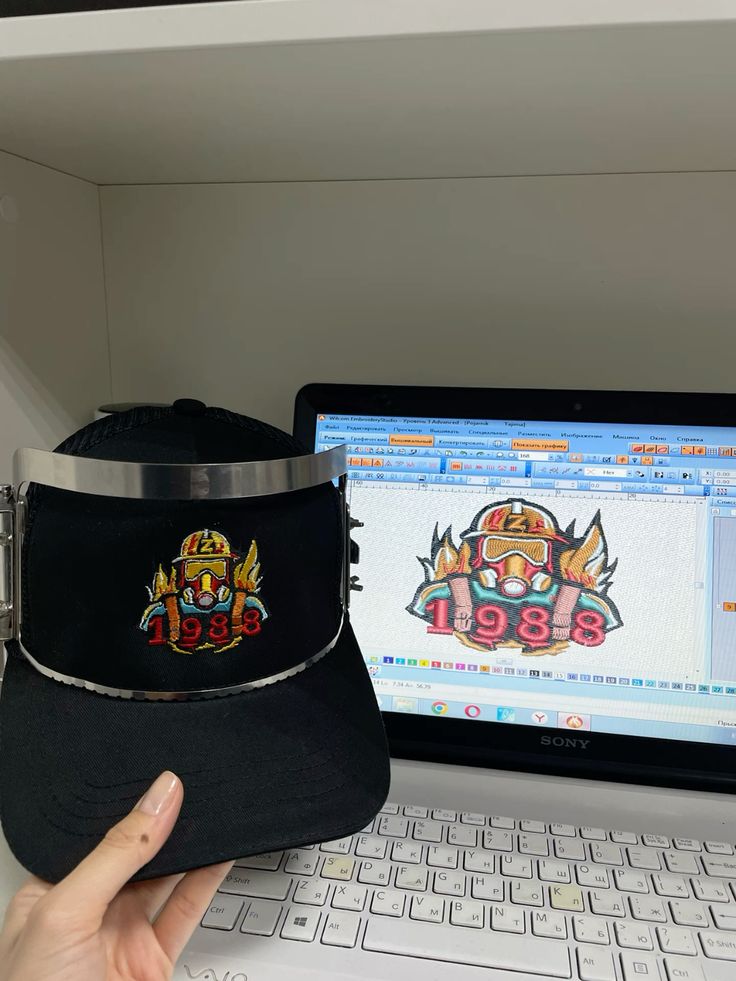
Choosing professional embroidery graphic design services is essential for businesses that require precision, scalability, and production-ready quality. Many companies face recurring issues such as file incompatibility, poor stitch alignment, and distorted branding when relying on unoptimized designs. At GDMS, we provide specialized embroidery solutions that address these challenges through expert digitizing, vector correction, and machine-optimized file preparation. Our services are designed to ensure that every design is ready for immediate production without errors or revisions. We focus on delivering consistent, high-quality embroidery outputs that support brand identity across all apparel and merchandise. By combining technical expertise with design accuracy, we help businesses achieve reliable production performance and professional visual standards in every embroidered application.
Who can fix my embroidery graphics for business branding and production accuracy?
Fixing embroidery graphics for branding and production accuracy requires professionals who understand both design structure and machine behavior. At GDMS, we specialize in correcting flawed embroidery files by rebuilding vector structures, optimizing stitch paths, and correcting density imbalances. Many businesses experience issues such as misaligned logos, broken stitches, or distorted outputs due to improper digitizing. We resolve these problems by analyzing the root cause and reconstructing the design into a production-ready format. This ensures that branding remains consistent and visually accurate across all embroidered products. Professional correction is essential for maintaining brand credibility, especially in competitive markets where visual presentation directly impacts customer perception and trust.
Where can I get professional embroidery design help in USA for fast results?
Businesses in the USA seeking fast and reliable embroidery design help require a service provider that combines speed with technical accuracy. GDMS offers structured workflows that prioritize quick turnaround without compromising quality. We handle everything from concept conversion to final machine-ready file preparation, ensuring rapid delivery of production-ready embroidery designs. Our process includes vector cleanup, stitch optimization, and compatibility testing to eliminate delays caused by production errors. Fast results are achieved through standardized digitizing systems and efficient design pipelines. This allows businesses to meet tight deadlines while maintaining professional embroidery quality across all products, ensuring smooth operations and consistent branding output.
Why GDMS delivers error-free embroidery digitizing and conversion services
GDMS delivers error-free embroidery digitizing by combining technical precision with a structured quality assurance system. Every design undergoes a multi-stage review process that includes vector correction, stitch path optimization, and density balancing. We eliminate common embroidery issues such as distortion, thread breaks, and misalignment before production begins. Our conversion process ensures that artwork is accurately translated into machine-compatible formats without data loss or structural errors. By focusing on both design integrity and machine behavior, we achieve highly reliable embroidery outputs. This reduces production waste, improves efficiency, and ensures consistent branding quality across all embroidered products, making GDMS a trusted solution for businesses requiring professional-grade embroidery services.
How GDMS ensures high-quality, scalable, and machine-ready embroidery files
GDMS ensures high-quality embroidery files through a controlled production system that focuses on scalability, accuracy, and machine compatibility. We begin by converting artwork into optimized vector structures that are suitable for embroidery digitizing. Each file is then engineered with precise stitch mapping, density control, and thread path optimization. Scalability is maintained by recalibrating stitch settings for different sizes without losing clarity or proportion. Machine readiness is verified through format validation and simulation testing to prevent errors during production. This ensures that every file performs consistently across different embroidery machines and fabric types. By maintaining strict quality standards, we deliver reliable embroidery solutions that support business branding and large-scale production efficiency.
GDMS complete embroidery graphic design system for branding, accuracy, and production success
The GDMS embroidery graphic design system is built to ensure branding consistency, technical accuracy, and production success for businesses. Our system integrates concept analysis, vector optimization, digitizing precision, and machine compatibility testing into a unified workflow. Each design is evaluated for stitch feasibility, scalability, and fabric adaptability before final approval. We apply structured correction methods to eliminate errors such as distortion, misalignment, and thread inconsistency. Simulation testing ensures that every design performs reliably during actual production. This comprehensive system allows businesses to achieve high-quality embroidery results at scale while maintaining brand identity and visual consistency. GDMS delivers a complete solution that transforms creative concepts into production-ready embroidery assets with professional-grade reliability.