How to Check Website Ranking in Google Search
Table of Contents

How to Check Website Ranking in Google Search

How to check website ranking in Google search is a critical SEO process that allows businesses to understand their visibility, keyword performance, and organic growth potential in search engines. For companies like GDMS, ranking analysis is the foundation of every successful SEO strategy because it reveals how well a website is performing against competitors in real-time search results. By regularly monitoring rankings, businesses can identify which keywords are driving traffic, which pages are underperforming, and what improvements are needed to achieve higher positions. This process also helps in evaluating SEO campaigns, measuring ROI, and optimizing content strategy. Whether you are tracking local rankings in the USA or global visibility, understanding your Google ranking ensures better decision-making, improved organic traffic, and stronger online presence in search engine results pages (SERPs).

You checked your ranking… now it’s time to CRUSH it. Unlock advanced on-page SEO moves that turn your website into a Google magnet

What Is Google Website Ranking and Why It Matters for Your Business Growth in the USA

Google website ranking refers to the position your website appears in search engine results when users search for specific keywords. Higher rankings typically result in more visibility, clicks, and conversions, which directly impact business growth. For USA-based businesses, ranking on the first page of Google is essential because most users rarely go beyond page one. Google determines rankings using complex algorithms that evaluate relevance, authority, content quality, and user experience. Understanding ranking importance helps businesses improve SEO strategies, increase brand awareness, and generate consistent organic traffic. Without tracking ranking performance, businesses risk losing visibility to competitors and missing valuable leads in highly competitive markets.

What is a Google ranking factor and how Google decides website ranking

Google ranking factors are signals used by the search algorithm to determine where a website should appear in search results. These factors include content quality, backlinks, page speed, mobile responsiveness, user engagement, and technical SEO structure. Google evaluates each page based on relevance to search intent and authority within its niche. Websites with strong optimization, trustworthy backlinks, and high-quality content generally rank higher. Understanding how Google decides ranking helps businesses optimize their SEO strategy effectively and improve search visibility. Continuous updates in algorithms require businesses to stay informed and adapt strategies to maintain stable rankings in competitive search environments.

How Google search algorithm ranks pages in 2026

In 2026, Google’s search algorithm is more advanced, relying heavily on AI-driven ranking systems such as semantic understanding, user behavior analysis, and contextual relevance. Instead of simple keyword matching, Google now evaluates search intent, content depth, and user satisfaction signals like click-through rate and dwell time. Machine learning models continuously refine rankings based on real-time performance data. Websites that provide valuable, structured, and authoritative content tend to rank higher. Technical performance, including Core Web Vitals, also plays a significant role. This modern algorithm ensures that only the most relevant, useful, and trustworthy pages reach top positions in search results.

Content quality, backlinks, and technical SEO factors that impact ranking

Content quality is the most important ranking factor, focusing on originality, depth, relevance, and user value. Backlinks act as trust signals from other websites, indicating authority and credibility in Google’s eyes. High-quality backlinks from reputable sources significantly improve rankings. Technical SEO ensures that a website is crawlable, fast, mobile-friendly, and properly structured for search engines. Elements like meta tags, schema markup, site architecture, and indexing efficiency also influence performance. When combined, these three pillars—content, backlinks, and technical SEO—create a strong foundation for sustainable Google rankings and long-term organic growth.

Why website ranking is important for organic search visibility and traffic growth

Why website ranking is important for organic search visibility and traffic growth

Website ranking is directly linked to organic visibility, which determines how often users find your site through search engines. Higher rankings increase exposure, improve credibility, and generate consistent traffic without paid advertising. Businesses that rank on top positions receive significantly more clicks, which translates into better lead generation and conversions. In competitive markets like the USA, ranking visibility can make or break digital success. Monitoring rankings allows businesses to adjust strategies, optimize content, and outperform competitors. Without strong rankings, even high-quality websites struggle to attract targeted audiences and achieve measurable growth in organic search performance.

If you understand why rankings matter, it’s time to upgrade. let’s turn your visibility into unstoppable organic traffic growth.

How organic search ranking improves leads and conversions

Organic search ranking plays a crucial role in lead generation because users trust top-ranking websites more than lower-positioned ones. When a website appears on the first page of Google, it gains credibility and attracts highly targeted traffic with strong purchase intent. This leads to improved conversion rates, as users are actively searching for solutions, services, or products. SEO-optimized content ensures that visitors find exactly what they need, increasing engagement and reducing bounce rates. Over time, strong organic rankings build brand authority and create a continuous flow of qualified leads without relying heavily on paid marketing campaigns.

How to Check Website Ranking in Google Search (Step-by-Step Methods)

How to Check Website Ranking in Google Search (Step-by-Step Methods)

  • Website ranking in Google can be checked using multiple approaches, from manual searches to advanced SEO tools and analytics platforms.
  • Each method provides a different level of accuracy, depth, and insight into keyword performance and search visibility.
  • Understanding ranking positions for targeted keywords is essential to measure overall SEO success and organic growth.
  • Manual Google searches give a basic, surface-level view of where a website appears in search results.
  • Incognito mode is often used in manual checking to reduce personalization bias in results.
  • Google Search Console provides more accurate, data-driven insights directly from Google’s search index.
  • Search Console helps track keyword impressions, average position, clicks, and overall search visibility trends.
  • Third-party SEO tools (rank trackers) offer advanced features like competitor tracking and real-time keyword monitoring.
  • These tools help identify keyword positions across multiple search engines, devices, and locations.
  • Rank tracking systems highlight traffic trends, ranking fluctuations, and SEO performance changes over time.
  • Monitoring rankings regularly helps detect SEO issues early, such as drops caused by algorithm updates or technical errors.
  • Consistent tracking supports better SEO decision-making and content optimization strategies.
  • Businesses can refine keyword targeting based on real performance data instead of assumptions.
  • Ranking analysis helps improve visibility in SERPs and maintain competitive advantage in organic search.
  • A structured tracking system ensures long-term SEO stability and sustainable growth in search engine rankings.

How to check website ranking in Google manually (without tools)

Manual ranking checks involve searching your target keywords directly in Google and locating your website in the results. This method gives a quick snapshot of ranking position but may not be highly accurate due to personalization and location-based results. Users should use incognito mode to reduce bias and ensure more neutral results. While manual checking is useful for quick insights, it lacks scalability for multiple keywords. It also does not provide historical data or performance tracking. Despite limitations, it remains a simple and free way to monitor basic Google ranking performance for small websites or initial SEO analysis.

How to check if your website is on the first page of Google

To check if your website appears on the first page, enter your target keyword into Google search and carefully review the top 10 results. Using incognito mode helps avoid personalized search bias. If your website appears within these results, it is considered first-page ranking. First-page visibility is crucial because most users do not scroll beyond it. Businesses should track multiple keywords to evaluate overall SEO performance. Although simple, this method provides a quick understanding of visibility but should be combined with advanced tools for accurate and consistent ranking analysis across different devices and locations.

Limitations of manual Google ranking checks

Manual ranking checks have several limitations, including inaccurate results due to personalization, location differences, and search history influence. They also do not provide data for multiple keywords or long-term performance tracking. Businesses cannot analyze competitor rankings or SERP fluctuations effectively using manual methods. Additionally, manual checks are time-consuming and inefficient for large-scale SEO campaigns. Because of these limitations, relying solely on manual ranking is not recommended for serious SEO strategies. Professional tools and analytics platforms are necessary for accurate keyword tracking, performance monitoring, and data-driven SEO decision-making in competitive digital markets.

How to Check Website Ranking in Google Using Google Search Console

How to Check Website Ranking in Google Using Google Search Console

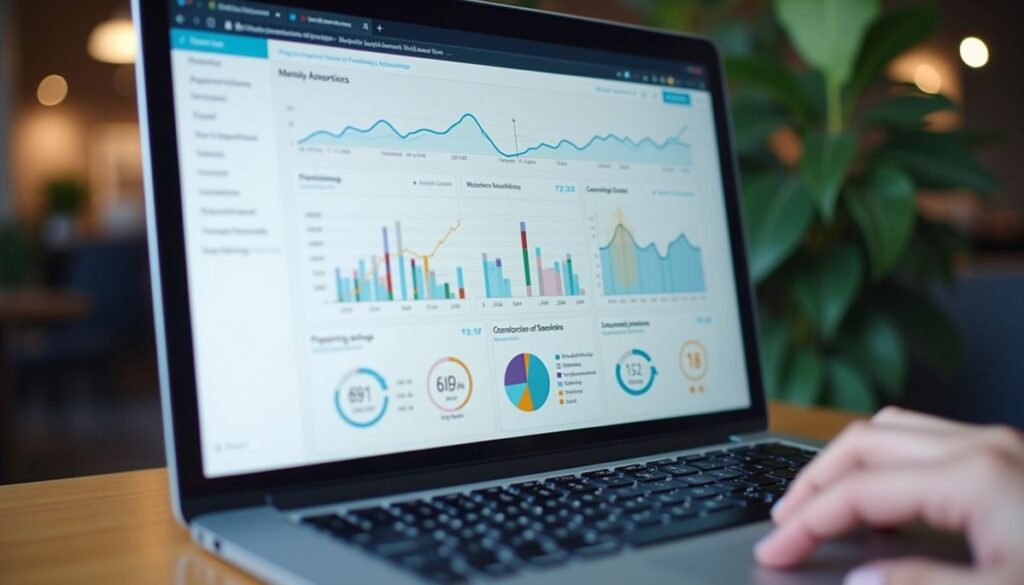
Google Search Console is one of the most reliable tools for checking website ranking performance. It provides accurate data about keyword positions, impressions, clicks, and search visibility. Businesses can track how their website performs in organic search results without guessing or manual checking. It also helps identify which pages are ranking well and which need improvement. Search Console is essential for SEO professionals because it offers real-time performance insights directly from Google. By analyzing this data, businesses can optimize content strategy, improve keyword targeting, and enhance overall search engine visibility effectively and efficiently.

Check your website ranking → Keep consistency to secure stable Google positions

How to check Google keyword ranking in Search Console step-by-step

To check keyword ranking in Google Search Console, go to the Performance report and review queries that bring traffic to your website. You can analyze average position, impressions, clicks, and click-through rates for each keyword. This helps determine how well your pages are ranking for specific search terms. Filtering by page or keyword gives deeper insights into performance. By monitoring these metrics regularly, businesses can identify ranking improvements or declines and adjust SEO strategies accordingly. Search Console provides accurate, Google-sourced data, making it one of the most reliable tools for keyword ranking analysis.

How to identify keyword position and search visibility changes

  • Keyword position can be identified by analyzing average ranking position data in tools like Google Search Console.
  • Search visibility is measured through impressions, clicks, and keyword appearance frequency in search results.
  • Tracking impression trends over time helps understand whether a page is gaining or losing visibility in Google SERPs.
  • If impressions increase but clicks remain low, it may indicate weak rankings, poor CTR, or ineffective meta titles and descriptions.
  • Low click-through rates often signal the need for better title optimization and meta description improvements.
  • Monitoring keyword performance over time helps detect algorithm updates and ranking fluctuations.
  • Gradual drops in visibility may indicate content quality issues or declining relevance for target search intent.
  • Sudden visibility drops can signal technical SEO problems such as indexing issues, crawl errors, or site changes.
  • Competitive changes, such as stronger competitor content or backlink growth, can also reduce keyword visibility.
  • Tracking keyword movement allows businesses to identify which pages are gaining or losing SEO strength.
  • Regular monitoring helps detect early warning signs before major ranking losses occur.
  • Search visibility analysis supports better content optimization and keyword targeting strategies.
  • Understanding keyword shifts enables faster SEO adjustments and recovery actions.
  • Continuous tracking improves long-term SEO stability and helps maintain consistent rankings.
  • Effective visibility monitoring is essential for data-driven SEO decision-making in competitive markets.

Best Google Ranking Checker Tools for Keyword Position Tracking (Free & Paid)

Google ranking checker tools are essential for accurately tracking keyword positions, monitoring SEO performance, and analyzing search visibility over time. Unlike manual checking, these tools provide structured data, historical trends, and competitor insights that help businesses make informed SEO decisions. For companies in competitive markets like the USA, using reliable rank tracking systems is critical for measuring growth and optimizing campaigns. These tools help identify which keywords are improving, which pages need optimization, and how search engine performance changes daily. Whether free or paid, ranking tools allow businesses to move from guesswork to data-driven SEO strategies.

Google keyword ranking tool options for small businesses

  • Small businesses need cost-effective keyword tracking tools that are simple, practical, and easy to use.
  • The focus should be on tools that provide accurate ranking data without complex enterprise-level features.
  • Google Search Console is the most essential free tool for tracking keyword performance directly from Google data.
  • Search Console helps monitor average position, impressions, clicks, and search visibility trends.
  • Ubersuggest is a beginner-friendly tool that offers keyword tracking, SEO suggestions, and basic ranking insights.
  • Basic SERP tracking tools allow users to check keyword positions manually or semi-automatically for selected terms.
  • These tools are suitable for tracking a limited number of priority keywords instead of large-scale SEO campaigns.
  • Small businesses can use these platforms to understand which keywords are driving traffic and visibility.
  • Even without advanced competitor analysis, these tools still provide enough data for SEO decision-making and improvement.
  • Key metrics to focus on include average keyword position, total clicks, and impression trends.
  • Monitoring keyword trends helps identify which content is performing well and which needs optimization.
  • These tools support gradual SEO improvement without requiring a large budget or technical expertise.
  • They are especially effective for startups, local businesses, and service-based websites.
  • Consistent tracking helps businesses refine SEO strategy and improve organic search visibility over time.
  • Overall, small business SEO success depends on focusing on simple, actionable keyword performance data rather than complex analytics systems.

Google rank checker and SERP analysis tools explained

Google rank checker tools analyze where a website appears in search engine results pages (SERPs) for specific keywords. SERP analysis tools go further by showing competitor rankings, featured snippets, and search intent patterns. These tools help businesses understand why certain pages rank higher and what SEO elements contribute to success. By analyzing SERP structures, businesses can optimize content format, keyword placement, and user intent alignment. This improves chances of ranking higher. SERP analysis is essential for building competitive SEO strategies that adapt to Google’s evolving ranking systems and user behavior patterns.

How to track keyword ranking for free using SEO tools

Tracking keyword ranking for free is possible using tools like Google Search Console, Google Sheets integration, and limited free versions of SEO platforms. These tools allow businesses to monitor keyword performance without paying for premium software. Users can track impressions, average position, and click-through rates to evaluate SEO effectiveness. Free tools are especially useful for beginners and small websites. However, they may lack real-time updates and competitor analysis. Despite limitations, they provide a strong foundation for understanding keyword performance and improving search visibility gradually over time.

Stop at Keyword Rankings? Big Mistake. Let’s Show You What AI Is Saying About Your Brand 

Best free tools to check Google ranking and SERP position

Some of the best free tools include Google Search Console, Ubersuggest free plan, SERP Robot, and SEO Minion. These tools help check keyword rankings, analyze SERP positions, and monitor basic SEO performance. They provide essential insights such as keyword impressions, average ranking positions, and page performance. While not as advanced as paid tools, they are highly effective for small businesses and beginners. Free tools allow users to understand ranking fluctuations and identify SEO improvement opportunities without financial investment, making them ideal for foundational SEO tracking.

What tools show real-time Google ranking updates

  • Real-time ranking tools provide instant or near-instant updates on keyword position changes in Google search results.
  • These tools continuously monitor SERPs to reflect live ranking fluctuations across targeted keywords.
  • Platforms like Ahrefs, SEMrush, and AccuRanker are widely used for real-time or near real-time tracking.
  • They help SEO professionals track keyword position movements minute-by-minute or daily with high accuracy.
  • Real-time tools detect ranking shifts caused by Google algorithm updates or competitor SEO changes.
  • They are essential for identifying sudden ranking drops or unexpected performance improvements quickly.
  • These tools provide automated alerts and dashboards for immediate SEO monitoring.
  • Businesses can react faster to SEO issues before they significantly affect traffic or revenue.
  • Real-time data enables fast optimization decisions, such as content updates or technical fixes.
  • These tools reduce dependency on manual tracking and improve reporting accuracy.
  • They help maintain consistent search visibility and competitive keyword positioning.
  • Early detection of ranking changes helps prevent long-term organic traffic loss.
  • SEO teams use real-time tracking to adjust strategies during high-impact algorithm updates.
  • They improve overall SEO efficiency by enabling data-driven, rapid response actions.

Tool Usages: How Real-Time Ranking Tools Are Used in SEO:

  • Daily SEO Monitoring: Track keyword movements continuously to ensure stable rankings.
  • Algorithm Update Tracking: Identify ranking shifts immediately after Google core updates.
  • Competitor Analysis: Monitor competitor keyword gains or losses in real time.
  • SEO Performance Alerts: Receive notifications when rankings drop or improve significantly.
  • Content Optimization Decisions: Update pages quickly based on ranking changes.
  • Campaign Tracking: Measure SEO campaign performance in real-time during promotions.
  • SERP Volatility Detection: Identify unstable keywords that fluctuate frequently.
  • Technical Issue Identification: Detect sudden drops caused by indexing or crawl problems.
  • Client Reporting: Provide accurate, up-to-date ranking reports for SEO clients.
  • ROI Measurement: Evaluate how SEO actions impact keyword rankings immediately.
  • Multi-Device Tracking: Compare rankings across mobile, desktop, and location-based SERPs.
  • Priority Keyword Focus: Highlight keywords that require urgent optimization attention.

Online Google rank tracking and keyword position monitoring tools

  • Online Google rank tracking tools are used to continuously monitor keyword positions across search engines in real time or near real time.
  • These tools track rankings across different devices such as desktop, mobile, and tablet to provide more accurate performance insights.
  • Location-based tracking allows businesses to see how rankings vary in different cities, countries, or target markets.
  • Rank tracking platforms provide centralized dashboards that display keyword positions, ranking trends, and historical performance data.
  • They help visualize keyword movement over time, showing whether rankings are improving, stable, or declining.
  • Many tools include competitor comparison features, allowing businesses to analyze how their rankings perform against rivals.
  • Businesses can track multiple keywords at once, making it easier to manage large SEO campaigns efficiently.
  • Keyword position monitoring supports long-term SEO evaluation by showing consistent performance patterns over weeks and months.
  • These tools help identify SEO gaps, such as underperforming keywords or pages that need optimization.
  • They also reveal new ranking opportunities by highlighting keywords that are close to reaching top positions.
  • Rank tracking tools are essential for ongoing SEO management, campaign tracking, and performance reporting.
  • Data from these tools supports better decision-making for content updates, link building, and technical SEO improvements.
  • Regular monitoring ensures businesses can quickly respond to ranking drops caused by algorithm updates or competitor changes.
  • Effective use of rank tracking tools improves search visibility and helps maintain stable Google rankings in competitive industries.
  • Overall, they are critical for maintaining long-term SEO growth and maximizing organic search performance.

How to Track Keyword Ranking and Monitor SEO Performance Daily

Daily keyword tracking is essential for understanding SEO performance fluctuations and maintaining search visibility. It allows businesses to identify ranking changes quickly and adjust strategies accordingly. Regular monitoring helps detect algorithm updates, competitor movements, and content performance issues. By tracking keywords daily, businesses can ensure consistent SEO growth and prevent sudden traffic loss. This process also helps measure the effectiveness of ongoing SEO campaigns and content updates. For competitive industries, daily tracking is a key part of maintaining strong Google rankings and improving long-term organic search performance.

Master SEO monitoring first, then explore how AI search tracks your brand presence 

How to track keyword ranking and monitor keyword performance

Tracking keyword performance involves analyzing position changes, impressions, clicks, and engagement metrics. Tools like Google Search Console and SEO platforms help visualize keyword trends over time. Businesses should monitor both high-volume and long-tail keywords to understand overall SEO health. Regular analysis helps identify which keywords are driving traffic and which need optimization. Monitoring performance ensures that SEO strategies remain effective and aligned with search intent. This continuous process is essential for improving rankings and maintaining competitive advantage in search engine results.

Keyword ranking monitoring strategies for USA businesses

USA-based businesses require advanced monitoring strategies due to high competition in search results. These strategies include tracking localized keywords, analyzing competitor rankings, and monitoring mobile vs desktop performance. Businesses should also focus on seasonal trends and user intent shifts. Combining analytics tools with manual review ensures complete visibility into keyword performance. Regular reporting and performance evaluation help improve SEO decision-making. These strategies ensure businesses remain competitive in the US digital market and maintain strong organic visibility across all major search engines.

How to check Google ranking for multiple keywords at once

  • Problem: Manual keyword checking is slow and unreliable when tracking multiple keywords.
    • Solution: Use SEO tools that support bulk keyword tracking to automate ranking monitoring.
  • Problem: Businesses struggle to manage hundreds of keywords across different pages.
    • Solution: Platforms like SEMrush, Ahrefs, and Rank Tracker allow bulk upload and centralized tracking in one dashboard.
  • Problem: Lack of visibility into overall SEO performance across keyword sets.
    • Solution: Use dashboard-based tools to get a complete overview of keyword positions, trends, and visibility changes.
  • Problem: Difficulty identifying which keywords are performing well or underperforming.
    • Solution: Analyze keyword performance reports to detect high-performing and low-performing search terms.
  • Problem: SEO teams waste time switching between multiple tools or manual searches.
    • Solution: Use integrated rank tracking systems that consolidate all keyword data in a single interface.
  • Problem: Hard to understand SEO performance for large websites or eCommerce stores.
    • Solution: Track keywords in clusters (product categories, service groups, or topics) for structured analysis.
  • Problem: No clear insight into which pages drive the most search traffic.
    • Solution: Use keyword-to-page mapping features to identify top-performing landing pages.
  • Problem: Inability to compare keyword performance over time.
    • Solution: Use historical tracking data to analyze trends, growth patterns, and ranking fluctuations.
  • Problem: Poor optimization decisions due to scattered keyword data.
    • Solution: Centralized tracking enables data-driven SEO decisions and better content optimization strategies.
  • Problem: Large-scale SEO campaigns become unmanageable without automation.
    • Solution: Bulk keyword tracking systems improve efficiency and allow scalable SEO management.
  • Problem: Missed opportunities in keyword expansion and ranking improvement.
    • Solution: Identify underperforming keywords and optimize content to improve rankings and visibility.
  • Problem: Difficulty maintaining consistent SEO performance across multiple search terms.
    • Solution: Continuous multi-keyword monitoring ensures stable rankings and long-term SEO control.
  • Key Outcome: Businesses gain faster insights, better optimization control, and improved SERP performance by tracking multiple keywords efficiently.

How to see what keywords a website ranks for

To see what keywords a website ranks for, use tools like Google Search Console, Ahrefs, or SEMrush. These platforms show all search queries that bring traffic to your website. Users can analyze keyword positions, impressions, and click-through rates. This data helps identify opportunities for content expansion and SEO optimization. Understanding keyword coverage allows businesses to strengthen weak areas and improve visibility. It also helps in discovering new keyword opportunities that can drive additional organic traffic and improve overall search performance.

Got a big website and bigger SEO problems? Let’s fix it, scale it, and dominate Google. Jump into advanced eCommerce SEO solutions now

Why Your Website Is Not Ranking on Google (Common SEO Problems)

Why Your Website Is Not Ranking on Google (Common SEO Problems)

Many websites fail to rank on Google due to technical issues, poor content quality, weak backlinks, or improper SEO optimization. Understanding these issues is essential for improving visibility and fixing ranking problems. Google uses hundreds of ranking signals, and missing key elements can significantly reduce search performance. Identifying the root cause of ranking failure helps businesses implement targeted SEO improvements. Without proper diagnosis, websites may continue to lose traffic and fail to compete effectively in search engine results pages.

Still stuck on page 2 of Google? Let’s fix what’s broken and push you to page 1. No guesswork, just Technical SEO power!

Why is my website not ranking on Google search?

  • If your website is not ranking, the first issue to check is indexing status—Google must crawl and index pages before they can appear in search results.
  • Use tools like Google Search Console to confirm whether important pages are properly indexed or excluded.
  • Poor or missing backlink profiles can significantly reduce your website’s authority and limit ranking potential.
  • Without high-quality backlinks, Google may not consider your site trustworthy enough for competitive keywords.
  • Weak or irrelevant content is a major ranking barrier, especially if it does not match user search intent.
  • Content that lacks depth, structure, or keyword relevance often fails to compete in SERPs.
  • Incorrect or missing keyword optimization (titles, headings, meta tags) prevents Google from understanding page relevance.
  • If Google cannot clearly interpret your content, your pages will struggle to rank for target queries.
  • Technical SEO issues such as slow loading speed, broken links, or crawl errors can block ranking performance.
  • Poor mobile usability can also reduce rankings due to Google’s mobile-first indexing approach.
  • Low domain authority and trust signals make it harder to compete against established websites.
  • Websites with weak authority often require stronger content and backlinks to gain visibility.
  • User experience problems (high bounce rate, poor navigation, intrusive design) negatively affect ranking signals.
  • High competition in your niche can push your website lower, even if basic SEO is in place.
  • Identifying competitor strength helps understand why your pages are not appearing on the first page.
  • Regular SEO audits help detect hidden issues affecting visibility and ranking performance.
  • Fixing indexing, content, technical SEO, and authority issues together is required for recovery.
  • A structured SEO improvement strategy is essential to restore rankings and increase search visibility effectively.

Google ranking mistakes that hurt visibility

Critical SEO Mistakes That Damage Rankings

  • Keyword stuffing (OVER-OPTIMIZATION ERROR)
    Overusing keywords makes content unnatural and signals spam to Google. Instead of improving ranking, it reduces trust and lowers search visibility.
  • Duplicate content (CONTENT CONFLICT ISSUE)
    Repeating the same or similar content across multiple pages confuses search engines and can cause ranking dilution or indexing problems.
  • Broken links (USER EXPERIENCE FAILURE)
    Internal or external broken links create poor navigation paths, reduce crawl efficiency, and negatively impact SEO trust signals.
  • Slow page speed (PERFORMANCE BOTTLENECK)
    Poor loading speed increases bounce rate and signals weak user experience, directly harming rankings in Google’s Core Web Vitals system.
  • Poor mobile optimization (MOBILE-FIRST INDEXING FAILURE)
    Websites that are not mobile-friendly lose rankings because Google primarily evaluates mobile versions for indexing and ranking.

Hidden Technical SEO Mistakes That Reduce Visibility

  • Ignoring technical SEO (FOUNDATION WEAKNESS)
    Missing sitemap optimization, crawl issues, or indexing errors can prevent pages from appearing in search results entirely.
  • Poor or missing meta tags (CTR AND RELEVANCE LOSS)
    Weak title tags and meta descriptions reduce click-through rate and fail to communicate page relevance to Google.
  • Weak content structure (READABILITY & SEO SIGNAL ISSUE)
    Poor heading hierarchy (H1, H2, H3) makes it harder for search engines to understand content relevance and topic depth.
  • Lack of internal linking (AUTHORITY DISTRIBUTION FAILURE)
    Without internal links, Google cannot properly distribute page authority, reducing ranking potential across the website.

SEO Impact of These Mistakes

  • Reduced search engine visibility and lower keyword rankings
  • Decreased organic traffic and engagement
  • Poor user experience leading to higher bounce rates
  • Weak authority signals in competitive search environments
  • Missed opportunities for indexing and ranking improvements

Problem-Solving SEO Fix Strategy

  • Optimize keywords naturally using semantic and intent-based placement
  • Remove duplicate content and implement unique, value-driven pages
  • Fix broken links using regular SEO audits and crawl checks
  • Improve page speed through image compression, caching, and code optimization
  • Ensure full mobile responsiveness and mobile-first UX design
  • Strengthen technical SEO with sitemaps, schema, and clean indexing structure
  • Optimize meta titles and descriptions for CTR and relevance improvement
  • Build strong internal linking structure for better authority flow and ranking support

Why did my Google ranking drop suddenly?

  • A sudden drop in Google rankings usually indicates a specific SEO trigger, not random behavior, and must be diagnosed systematically.
  • The most common cause is a Google algorithm update, which can re-evaluate content quality, relevance, or authority signals.
  • Technical SEO issues such as broken pages, crawl errors, slow loading speed, or indexing failures can immediately reduce rankings.
  • Backlink changes, including loss of high-quality links or acquisition of spammy links, can negatively impact domain trust.
  • Recent content updates or restructuring errors may weaken keyword relevance or disrupt on-page SEO signals.
  • Competitor improvements (better content, stronger backlinks, improved UX) can push your rankings down even if your site is unchanged.
  • Indexing issues in Google Search Console may cause pages to disappear from search results entirely or lose visibility.
  • Seasonal demand shifts or changes in user search behavior can reduce impressions and clicks for certain keywords.

From “Where did my traffic go?” to “Why am I ranking #1?” — start the turnaround now 

Common SEO Mistakes That Cause Sudden Ranking Drops

  • Ignoring Google algorithm updates and not adapting SEO strategy accordingly.
  • Publishing or updating content without maintaining keyword relevance and search intent alignment.
  • Removing or changing URLs without proper 301 redirects, causing loss of ranking authority.
  • Building or acquiring low-quality or spam backlinks, which can trigger ranking penalties.
  • Over-optimizing content (keyword stuffing), making pages appear unnatural to search engines.
  • Failing to monitor technical SEO health, including crawl errors, broken links, and mobile usability issues.
  • Not tracking rankings regularly, leading to delayed response to performance drops.

How to Diagnose the Exact Cause (Problem-Solving Approach)

  • Use Google Search Console to check for manual actions, indexing errors, and performance drops.
  • Compare ranking data before and after the drop using SEO tracking tools to identify affected keywords.
  • Analyze backlink profile changes to detect lost or harmful links.
  • Review recent site updates, content changes, or migrations that may have impacted SEO structure.
  • Check competitor movements to determine if ranking loss is due to increased competition.
  • Evaluate traffic patterns to confirm whether the issue is site-wide or keyword-specific.

Recovery-Focused Actions to Restore Rankings

  • Fix technical issues immediately (crawl errors, speed, mobile usability, indexing problems).
  • Re-optimize affected pages based on search intent and updated keyword strategy.
  • Strengthen content quality with better structure, depth, and topical relevance.
  • Recover or replace lost backlinks with high-authority, relevant sources.
  • Monitor performance daily after fixes to ensure ranking stabilization and recovery progress.
  • Continuously track algorithm updates and adjust SEO strategy proactively.

Google algorithm updates and ranking fluctuations

Google frequently updates its algorithm to improve search quality, which can cause ranking fluctuations. These updates may affect content relevance, backlink evaluation, or user experience signals. Websites that do not comply with updated SEO standards may experience sudden drops. Understanding algorithm changes helps businesses adapt their SEO strategy and maintain stable rankings. Continuous optimization is necessary to stay aligned with Google’s evolving ranking system.

How to Improve Website Ranking on Google Fast (Proven SEO Strategies)

How to Improve Website Ranking on Google Fast (Proven SEO Strategies)

Improving website ranking on Google requires a structured SEO approach that combines content optimization, technical SEO, authority building, and user experience improvements. Fast ranking growth is not achieved through shortcuts but through consistent implementation of proven strategies aligned with Google’s ranking system. Businesses must focus on search intent, keyword relevance, and high-quality content creation to achieve better visibility. In competitive markets like the USA, ranking improvements depend on how well a website satisfies user queries and technical performance standards. A well-planned SEO strategy ensures faster indexing, improved keyword positions, and sustainable organic growth over time.

Want Google to take you seriously? Power up your Website Authority 

How to improve keyword ranking and increase search visibility

Improving keyword ranking starts with optimizing content for search intent, ensuring that each page fully answers user queries. Proper keyword placement, semantic relevance, and structured headings help Google understand content better. Increasing search visibility also requires improving click-through rates by writing compelling titles and meta descriptions. Internal linking strengthens content relationships and improves crawlability. Consistent content updates signal freshness to Google, boosting ranking potential. When combined, these optimization techniques significantly enhance keyword performance and increase organic visibility across search results.

On-page SEO evaluation and optimization techniques

Common Mistakes in On-Page SEO (That Hurt Rankings)

  • Using poorly written or duplicate title tags, which confuses search engines and reduces CTR.
  • Ignoring meta descriptions, leading to low click-through rates even when ranking improves.
  • Overstuffing keywords instead of maintaining natural semantic relevance, which can trigger ranking penalties or reduced readability.
  • Weak or missing heading structure (H1–H6), making content harder for Google to understand.
  • Using non-SEO friendly URLs (long, messy, or keyword-irrelevant links).
  • Missing or irrelevant image alt text, reducing accessibility and image search visibility.
  • Lack of internal linking strategy, which weakens page authority distribution.
  • Slow page speed and heavy media files affecting user experience and rankings.
  • Poor mobile optimization leading to lower rankings due to mobile-first indexing.

How to Fix and Optimize On-Page SEO Effectively

  • Optimize title tags with primary keywords + search intent clarity to improve ranking and CTR.
  • Write compelling meta descriptions that increase clicks even if position is unchanged.
  • Use clean, structured URLs that include relevant keywords and are easy to read.
  • Build a proper heading hierarchy (H1 → H2 → H3) to improve content structure and crawlability.
  • Place keywords naturally and use semantic variations (LSI keywords) instead of repetition.
  • Add image alt text with context-based descriptions for SEO and accessibility improvements.
  • Implement a strong internal linking system to pass authority between related pages.
  • Improve page loading speed by compressing images, minimizing scripts, and using caching.
  • Ensure mobile responsiveness for better rankings under Google’s mobile-first indexing system.

Technical Optimization Insights (What Many Websites Miss)

  • On-page SEO is not just content—it includes technical structure + user experience signals.
  • Google evaluates how well a page satisfies search intent + usability together.
  • Even high-quality content can fail if speed, structure, or mobile UX is poor.
  • Pages with strong on-page SEO tend to rank higher due to better crawl efficiency and engagement signals.

SEO Impact Summary (Problem → Solution Flow)

  • Weak structure → Fix with proper heading hierarchy
  • Low CTR → Improve titles & meta descriptions
  • Poor rankings → Optimize keyword placement + semantic SEO
  • High bounce rate → Improve speed, readability, and UX
  • Indexing issues → Improve internal linking and URL structure

Final Outcome of Proper On-Page SEO

  • Higher Google rankings and improved SERP visibility
  • Better user engagement and lower bounce rates
  • Stronger keyword relevance and topical authority
  • Faster indexing and improved crawl efficiency
  • Long-term stable SEO performance in competitive search results

How to improve domain authority and Google ranking

  • Domain authority represents a website’s credibility, trust level, and overall SEO strength, but many websites misinterpret it as a direct Google ranking factor instead of a comparative SEO metric.
  • A common mistake is expecting instant domain authority growth, while in reality it improves gradually through consistent SEO efforts over time.
  • Low authority websites often fail because they rely on low-quality or spammy backlinks, which can harm rankings instead of improving them.
  • To improve authority, focus on earning high-quality backlinks from relevant, trusted, and authoritative websites rather than quantity-based link building.
  • Many businesses ignore content quality and publish thin or generic pages, which weakens trust signals and reduces SEO performance.
  • Strong domain authority requires publishing authoritative, in-depth, and intent-focused content that fully satisfies user queries.
  • A critical mistake is neglecting technical SEO issues such as slow speed, poor mobile usability, and indexing errors, which directly reduce trust signals.
  • Websites with broken structure or crawl issues fail to build authority even if they have good content and backlinks.
  • Consistent SEO efforts are essential; sporadic optimization leads to unstable rankings and weak authority growth.
  • Many businesses overlook content marketing and digital PR, missing opportunities to gain natural backlinks and brand mentions.
  • Digital PR campaigns help build credibility by earning editorial backlinks from reputable industry platforms.
  • Websites with higher authority naturally perform better in competitive keywords because Google sees them as more trustworthy sources.
  • Improving domain authority requires a balanced strategy combining backlink acquisition, content optimization, and technical SEO maintenance.
  • Over time, strong authority leads to higher search rankings, improved visibility, and consistent organic traffic growth.
  • The most effective SEO approach is long-term consistency rather than short-term manipulative tactics.

Backlinks as a Google ranking factor explained

What Backlinks Actually Do (Core SEO Role)

  • Backlinks act as trust and authority signals from one website to another in Google’s ranking system.
  • They help Google determine whether your content is credible, useful, and worth ranking higher.
  • High-quality backlinks significantly improve domain authority and keyword positioning.
  • Strong backlink profiles increase the likelihood of ranking on competitive search terms.

Common Mistakes That Hurt Rankings (Backlink Errors)

  • ❌ Building spammy or irrelevant backlinks from low-quality websites
  • ❌ Using paid bulk backlinks or link farms, which can trigger Google penalties
  • ❌ Ignoring link relevance (e.g., getting links from unrelated niches)
  • ❌ Over-optimizing anchor text with exact match keywords repeatedly
  • ❌ Focusing only on quantity instead of link quality and authority
  • ❌ Not monitoring backlink profile for toxic or harmful links
  • ❌ Relying on shortcuts instead of long-term organic link-building strategies

Problem-Solving Strategies (How to Fix & Improve Backlinks)

  • Focus on acquiring high-authority, niche-relevant backlinks for sustainable SEO growth
  • Use guest posting on trusted industry websites to build natural authority links
  • Implement outreach campaigns to connect with bloggers, publishers, and industry platforms
  • Build digital partnerships for mutual linking and brand collaborations
  • Regularly audit backlinks using SEO tools to remove or disavow toxic links
  • Diversify link sources (blogs, news sites, directories, industry platforms)
  • Prioritize contextual backlinks within valuable content, not random placements

SEO Impact (Why Backlinks Matter for Rankings)

  • Strong backlinks improve Google trust signals and ranking stability
  • They directly influence keyword position improvements in SERPs
  • A healthy backlink profile increases organic traffic and domain authority
  • Websites with better backlinks outperform competitors in competitive niches
  • Backlinks remain a core pillar of off-page SEO and long-term ranking success

Key Insight

A successful SEO strategy is not about collecting links—it is about building a high-quality, relevant, and trustworthy backlink ecosystem that strengthens authority and improves long-term Google rankings.

Technical SEO factors for Google ranking improvement

Technical SEO ensures that a website is properly structured for search engines to crawl, index, and rank efficiently. It includes optimizing site speed, fixing broken links, improving mobile usability, and ensuring proper indexing. Structured data and schema markup also help Google understand content context better. Without strong technical SEO, even high-quality content may fail to rank. Technical optimization is essential for improving overall website performance and maintaining long-term search visibility.

Website speed, mobile optimization, and crawlability fixes

Website Speed (Core Ranking & UX Issue)

  • Website speed directly impacts Google rankings, user experience, and conversion rates.
  • Slow-loading pages increase bounce rate, reducing engagement and SEO performance.
  • Poor speed often causes users to abandon the site before content loads, leading to lost traffic and leads.
  • Google prioritizes fast websites because they deliver better Core Web Vitals performance.

Common Mistakes:

  • Uncompressed images and heavy media files
  • Too many plugins or unnecessary scripts
  • Poor hosting or low-performance servers
  • No caching or CDN usage

Fix / Solution Approach:

  • Optimize images (WebP, compression)
  • Enable browser caching and lazy loading
  • Use CDN for faster global delivery
  • Minify CSS, JavaScript, and HTML
  • Upgrade hosting for better response time

Mobile Optimization (Mobile-First Indexing Critical Factor)

  • Google uses mobile-first indexing, meaning mobile performance defines ranking strength.
  • Websites that are not mobile-friendly lose visibility even if desktop version performs well.
  • Poor mobile usability reduces engagement and increases drop-offs from search traffic.

Common Mistakes:

  • Non-responsive design that breaks on mobile screens
  • Small fonts and hard-to-click elements
  • Slow mobile loading speed compared to desktop
  • Pop-ups blocking content on mobile devices

Fix / Solution Approach:

  • Implement fully responsive web design
  • Improve mobile page speed and layout structure
  • Use mobile-friendly navigation and buttons
  • Remove intrusive pop-ups or optimize their timing
  • Test using Google Mobile-Friendly tools and real devices

Crawlability & Indexing Issues (Search Engine Access Problem)

  • Crawlability ensures Google bots can discover, access, and index website pages properly.
  • Poor crawlability leads to pages not appearing in search results even if content is high quality.
  • Strong site structure improves indexing efficiency and ranking potential.

Common Mistakes:

  • Broken links and 404 errors
  • Poor internal linking structure
  • Missing or incorrect XML sitemap
  • Blocked pages in robots.txt file
  • Duplicate content causing indexing confusion

Fix / Solution Approach:

  • Fix broken links and redirect errors (301 redirects)
  • Improve internal linking for better page discovery
  • Submit and optimize XML sitemap in Search Console
  • Review robots.txt to ensure important pages are not blocked
  • Use canonical tags to handle duplicate content issues

Key Problem-Solving Insight (SEO Impact)

  • Technical SEO issues often act as hidden ranking barriers even when content is strong.
  • Improving speed, mobile experience, and crawlability leads to faster indexing and higher rankings.
  • Google rewards websites that are technically stable, fast, and easy to navigate.
  • Continuous monitoring is essential to prevent performance degradation and ranking drops.

Final SEO Takeaway

Fixing technical SEO is not optional—it is a core ranking foundation.
Websites that optimize speed, ensure mobile usability, and maintain clean crawlability consistently outperform competitors in Google search results.

How to Fix Low Google Ranking and Boost SERP Position Quickly

How to Fix Low Google Ranking and Boost SERP Position Quickly

Low Google rankings usually indicate SEO issues such as weak content, poor backlinks, technical errors, or low user engagement. Fixing these problems requires a structured SEO audit and targeted optimization strategy. Improving SERP position involves identifying ranking gaps and implementing corrective actions. Businesses must analyze keyword performance, competitor strategies, and technical SEO issues. A well-executed recovery plan can quickly restore visibility and improve search rankings effectively.

Your rankings dropped? Google didn’t hate you… Your content just needs a serious upgrade. Let’s fix that and ctart rebuilding rankings with high-impact content marketing services

How to check on-page SEO issues affecting ranking

On-page SEO issues can be identified by analyzing content structure, keyword usage, meta tags, and internal linking. Missing or poorly optimized elements reduce ranking potential. Tools like SEO audits help detect these issues quickly. Fixing on-page problems improves relevance and helps search engines understand content better. Proper optimization ensures that pages are fully aligned with search intent and ranking requirements.

SEO audit for rankings and performance gaps

An SEO audit evaluates website performance, identifying technical, content, and backlink issues affecting rankings. It highlights areas where improvements are needed, such as broken links, duplicate content, or slow loading pages. Performance gaps reveal missed opportunities in keyword targeting and content optimization. Regular audits help maintain strong SEO health and ensure continuous ranking improvement. This process is essential for long-term search engine success.

How to test website SEO ranking and improve results

Testing SEO ranking involves monitoring keyword positions, analyzing traffic trends, and evaluating page performance. This helps identify what is working and what needs improvement. SEO testing should be continuous to adapt to algorithm updates and market changes. By analyzing data regularly, businesses can refine strategies and improve search visibility effectively. Testing ensures that SEO efforts deliver measurable and consistent results.

Step-by-step guide to fixing ranking drops

  • The first step in fixing ranking drops is identifying the exact cause, such as Google algorithm updates, technical SEO errors, or content quality decline.
  • Mistake to avoid: Assuming ranking drops are always caused by Google updates without checking technical or content issues first.
  • Conduct a full SEO audit of affected pages to understand which URLs lost rankings and which keywords were impacted.
  • Analyze Google Search Console data to compare previous performance vs current drops in impressions, clicks, and average position.
  • Mistake to avoid: Ignoring Search Console data and relying only on third-party tools, which may be less accurate.
  • Check for technical SEO issues like crawl errors, indexing problems, broken links, slow page speed, or mobile usability issues.
  • Mistake to avoid: Fixing content first while leaving technical errors unresolved, which prevents proper ranking recovery.
  • Evaluate content relevance and quality, ensuring it still matches search intent and is not outdated or thin.
  • Mistake to avoid: Updating keywords only without improving content depth, structure, or user value.
  • Strengthen backlink profile quality, removing toxic links and building high-authority, relevant backlinks.
  • Mistake to avoid: Buying low-quality backlinks or spam links that can further damage rankings.
  • Re-optimize on-page SEO elements such as titles, meta descriptions, headings, and internal linking structure.
  • Implement content updates and refresh strategies, including adding new sections, FAQs, and updated information.
  • Monitor algorithm updates and ranking fluctuations before making aggressive changes that may worsen performance.
  • Mistake to avoid: Making multiple drastic SEO changes at once, which makes it harder to identify what worked.
  • Build a structured recovery plan that prioritizes fixes based on impact: technical issues → content improvements → backlink optimization.
  • Continuously track rankings after changes to measure recovery progress and adjust strategy accordingly.
  • Maintain ongoing SEO monitoring to detect early warning signs of future drops.
  • A well-executed recovery process ensures stable rankings, improved visibility, and long-term SEO resilience.

How to increase Google ranking using search intent optimization

Search intent optimization focuses on aligning content with what users are actually searching for. Google prioritizes content that best satisfies user intent, whether informational, navigational, or transactional. Understanding intent helps create more relevant and engaging content. Optimizing for intent improves click-through rates, engagement, and rankings. This approach is one of the most effective ways to achieve long-term SEO success.

Content optimization for organic ranking growth

Content optimization involves improving readability, keyword relevance, structure, and depth. High-quality content that answers user queries thoroughly performs better in search rankings. Adding examples, FAQs, and structured headings improves engagement. Regular updates ensure content remains relevant and competitive. Optimized content is the foundation of organic ranking growth and long-term SEO performance.

How to Check Mobile vs Desktop Google Ranking Differences

Mobile and desktop rankings can differ due to Google’s mobile-first indexing and varying user behavior across devices. Understanding these differences helps businesses optimize their SEO strategy effectively. Mobile rankings are often prioritized, especially for local and fast-search queries. Desktop rankings may vary due to layout, screen size, and user interaction patterns. Monitoring both ensures complete visibility and better SEO performance.

Wait… Why Is Google Showing Different Rankings on Mobile & Desktop?! That’s not random, it’s technical SEO chaos.

Why mobile ranking differs from desktop ranking

Mobile ranking differs because Google prioritizes mobile-friendly websites in its indexing system. User behavior on mobile devices also influences ranking results. Pages that load faster and provide better mobile experience tend to rank higher on mobile search. Desktop results may show different layouts or rankings due to device-specific algorithms. Understanding these differences helps improve overall SEO performance across all platforms.

Google search visibility check for mobile-first indexing

Mobile-first indexing means Google primarily uses the mobile version of a website for ranking and indexing. Checking visibility requires analyzing mobile performance using tools like Google Search Console. Websites must ensure mobile responsiveness, fast loading speed, and optimized layouts. Poor mobile performance can negatively impact overall rankings. Mobile optimization is now essential for maintaining strong search visibility.

How to monitor keyword ranking across devices

Monitoring keyword rankings across devices requires SEO tools that support device-specific tracking. These tools show differences between mobile and desktop performance. Businesses can analyze how users interact with content differently on each device. This helps optimize content and design for better user experience. Cross-device tracking ensures complete SEO visibility and performance accuracy.

SERP checker tools for mobile and desktop comparison

SERP checker tools allow businesses to compare keyword rankings across mobile and desktop search results. These tools help identify discrepancies and optimization opportunities. By analyzing both versions, businesses can improve content layout, speed, and responsiveness. This ensures consistent rankings across all devices and improves overall SEO performance.

How to Check Competitor Google Ranking and Improve Your SEO Strategy

Competitor analysis is essential for understanding market positioning and improving SEO strategy. By analyzing competitor rankings, businesses can identify keyword opportunities and content gaps. This helps build stronger SEO campaigns and outperform competitors in search results. Understanding competitor strategies is key to achieving long-term ranking success.

Stop watching your competitors rank higher – it’s your turn to take over Google! Smash the rankings with powerful Off-Page SEO that actually gets results.

How to check competitor Google ranking and keyword strategy

Competitor rankings can be analyzed using SEO tools that show keyword positions, backlinks, and traffic sources. This helps identify which keywords competitors are targeting and ranking for. Businesses can use this data to improve their own SEO strategy. Understanding competitor keyword strategy allows for better optimization and content planning.

Competitive SERP analysis tools and insights

SERP analysis tools provide insights into competitor performance, ranking pages, and keyword strategies. These tools help identify strengths and weaknesses in competitor SEO efforts. Businesses can use this data to refine their own strategy and improve rankings. Competitive analysis is essential for staying ahead in search engine results.

How to outrank competitors on Google search results

Outranking competitors requires better content, stronger backlinks, and improved technical SEO. Businesses must focus on delivering higher-quality and more relevant content. Continuous optimization and keyword targeting help achieve better positions. A strategic SEO approach ensures long-term competitive advantage.

SEO ranking strategy used by top USA websites

Top USA websites use advanced SEO strategies including content clusters, authority building, and technical optimization. They focus heavily on user intent and high-quality backlinks. Continuous content updates and performance tracking are also key factors. These strategies help maintain top rankings and consistent organic traffic growth.

Professional Google Ranking Services in USA by GDMS (Complete SEO Growth Solution)

GDMS provides advanced Google ranking services designed to improve website visibility, keyword positioning, and organic traffic growth for businesses across the USA. Our SEO approach is built on data-driven strategies, technical precision, and search intent optimization to ensure long-term ranking success. We focus on identifying ranking gaps, improving website authority, and optimizing content for maximum search engine performance. Every strategy is tailored based on industry competition, keyword difficulty, and business goals. With GDMS, businesses gain a structured SEO growth system that improves rankings, increases visibility, and delivers measurable ROI through consistent organic traffic expansion.

Google ranking services USA for business growth and visibility

Our Google ranking services in the USA are designed to help businesses achieve higher visibility in search engine results pages. We optimize websites using advanced SEO techniques including keyword targeting, technical improvements, and content restructuring. The goal is to ensure that your business appears in front of the right audience at the right time. By improving search visibility, we help increase brand awareness, website traffic, and lead generation. This service is ideal for businesses looking to scale organically and dominate competitive search markets.

SEO services to boost Google ranking and organic traffic

GDMS SEO services focus on increasing organic traffic through strategic optimization of website structure, content quality, and backlink profiles. We analyze existing performance gaps and implement improvements that align with Google’s ranking algorithm. Our approach ensures that every page is optimized for both users and search engines. This leads to higher keyword rankings, improved click-through rates, and stronger search engine authority. The result is consistent organic traffic growth without relying on paid advertising campaigns.

Hire SEO expert USA for keyword ranking improvement

Hiring an SEO expert from GDMS ensures professional handling of your website’s ranking strategy. Our experts conduct in-depth keyword research, competitor analysis, and SEO audits to develop a customized ranking plan. We focus on improving keyword positions across high-value search terms to increase visibility and conversions. With expert guidance, businesses avoid common SEO mistakes and achieve faster ranking improvements. This service is ideal for companies looking for structured and professional SEO growth support.

Monthly Google ranking management and monitoring services

GDMS offers monthly ranking management services that ensure continuous SEO performance tracking and optimization. We monitor keyword positions, analyze ranking fluctuations, and implement ongoing improvements. This includes regular SEO audits, content updates, and backlink strengthening. Monthly management ensures that rankings remain stable even during Google algorithm updates. Businesses benefit from consistent visibility, improved search performance, and long-term SEO stability.

Affordable Google ranking service provider for small businesses

GDMS provides affordable SEO solutions specifically designed for small and medium-sized businesses. Our goal is to deliver high-quality ranking services without high costs. We focus on essential SEO elements such as keyword optimization, technical fixes, and content improvement. This allows small businesses to compete effectively in search results and increase online visibility. Affordable pricing ensures that every business can benefit from professional SEO services.

SEO agency for Google ranking and website optimization

As a full-service SEO agency, GDMS specializes in complete website optimization for better Google rankings. We handle everything from technical SEO and content strategy to backlink building and performance tracking. Our goal is to create a strong SEO foundation that supports long-term ranking success. Businesses benefit from improved search visibility, higher traffic, and stronger digital authority through our structured optimization process.

Why Choose GDMS for Google Ranking Improvement Services in USA

GDMS is a results-driven SEO agency focused on delivering measurable improvements in Google rankings. We combine technical expertise, content strategy, and data analysis to build strong SEO foundations. Our approach is transparent, structured, and performance-oriented, ensuring businesses achieve real growth in search visibility. We prioritize long-term ranking stability and continuous optimization rather than short-term gains. With GDMS, businesses gain a trusted SEO partner committed to improving online presence and maximizing organic search performance.

GDMS SEO strategy for improving Google search ranking fast

Our SEO strategy focuses on fast yet sustainable ranking improvements through targeted keyword optimization, technical enhancements, and high-quality content creation. We analyze competitors, identify ranking gaps, and implement actionable SEO solutions. This ensures faster indexing, improved keyword positions, and better search visibility. Our structured approach helps businesses achieve noticeable ranking improvements within a short timeframe while maintaining long-term stability.

Complete website ranking audit and optimization process

GDMS begins every project with a full website SEO audit to identify technical errors, content gaps, and ranking opportunities. We evaluate site structure, keyword performance, backlink quality, and user experience. Based on findings, we implement optimization strategies that improve search visibility. This process ensures that every aspect of the website is aligned with Google’s ranking requirements, leading to stronger SEO performance.

How GDMS helps you achieve first-page Google ranking

We use advanced SEO techniques including intent-based keyword targeting, authority building, and content optimization to help businesses reach the first page of Google. Our strategies focus on improving relevance, trust, and engagement signals. By continuously optimizing performance, we help websites achieve sustainable first-page rankings for competitive keywords. This leads to increased traffic, leads, and business growth.

Proven keyword ranking and SERP domination techniques

GDMS uses proven SEO techniques such as content clustering, semantic keyword optimization, and competitive SERP analysis. These methods help dominate search results by targeting multiple ranking opportunities within a niche. We also focus on improving click-through rates and user engagement to strengthen ranking signals. This ensures consistent visibility across competitive search terms.

GDMS monthly SEO tracking and ranking performance system

Our monthly SEO tracking system ensures continuous monitoring of keyword performance and ranking stability. We track search visibility, keyword movement, and competitor activity. Regular reporting helps businesses understand SEO progress and ROI. This system ensures long-term ranking growth and prevents sudden drops in search performance.

Continuous keyword monitoring and optimization support

GDMS provides ongoing keyword monitoring and optimization support to maintain and improve rankings. We adjust strategies based on performance data and algorithm updates. This ensures that websites remain competitive and continue to grow in search visibility. Continuous optimization is essential for long-term SEO success.

Final SEO Strategy Checklist to Improve and Track Google Website Ranking

A structured SEO checklist ensures that all ranking factors are properly optimized and monitored. It helps businesses maintain consistency in SEO efforts and avoid common mistakes. This checklist includes technical SEO, content optimization, keyword tracking, and performance analysis. Following a systematic approach ensures steady ranking improvements and long-term organic growth.

Step-by-step SEO ranking improvement checklist

The SEO improvement checklist includes keyword research, on-page optimization, technical SEO fixes, backlink building, and content updates. Each step plays a critical role in improving Google rankings. Regular execution of this checklist ensures continuous performance improvement. Businesses should follow this process consistently to achieve strong search visibility and sustainable growth.

Daily, weekly, and monthly ranking monitoring strategy

Daily monitoring includes tracking keyword fluctuations and traffic changes. Weekly analysis focuses on performance trends and competitor movements. Monthly reporting evaluates overall SEO progress and ROI. This structured monitoring system ensures complete visibility into ranking performance and helps maintain SEO stability over time.

How to maintain top Google ranking long-term

Maintaining top rankings requires continuous optimization, content updates, and backlink strengthening. Businesses must adapt to Google algorithm updates and evolving user behavior. Regular SEO audits and performance tracking help maintain stability. Long-term success depends on consistency, quality content, and ongoing SEO improvements.

SEO growth strategy and algorithm adaptation tips

SEO growth strategies include focusing on user intent, improving content quality, and building authoritative backlinks. Adapting to Google algorithm updates is essential for maintaining rankings. Businesses must continuously optimize technical SEO and content relevance. This ensures long-term visibility and sustainable organic growth.

SEO POSITIONING

GDMS delivers a complete SEO ecosystem that helps businesses improve Google rankings, increase organic traffic, and build long-term digital authority. Our approach combines technical SEO, content optimization, keyword tracking, and competitor analysis to deliver measurable results. Whether you are a small business or a large enterprise, our Google ranking services ensure consistent growth and improved search visibility in competitive markets like the USA. With a focus on performance, transparency, and ROI, GDMS helps businesses achieve sustainable first-page rankings and long-term SEO success

Blog

Actionable Insights to Outperform Your Competition