Reverse Video Search has become a critical pillar of modern digital investigation, enabling users, journalists, cybersecurity teams, and businesses to trace the origin, authenticity, and distribution path of video content across the internet. In 2026, with the rapid rise of AI-generated media, deepfakes, and viral misinformation, the need for accurate media verification has never been more important. This guide from GDMS explains how reverse video search works, how to find original video sources, and how to verify authenticity using advanced AI and OSINT methodologies. It also covers tools like frame-based video search, video-to-video matching, and multimedia search technology used to detect reposted or manipulated content. Whether you want to find a video source, verify viral clips, or track misinformation campaigns, this structured approach ensures accuracy, reliability, and scalable investigative capability across digital ecosystems and social platforms.
What Is Reverse Video Search and Why It Matters for Media Authenticity Verification
Reverse Video Search is a multimedia investigation technique used to identify where a video originated, how it has been shared, and whether it has been altered or reposted. It works by analyzing frames, metadata, and visual patterns to match content across search engines and databases. In 2026, it is essential for combating misinformation videos online and ensuring media authenticity verification. This process is widely used in journalism, cybersecurity, and OSINT workflows to validate content before publication. It also helps users find video sources, detect duplicates, and verify viral clips across platforms like social media and news networks. By combining AI video recognition and content verification tools, reverse search improves accuracy and reduces the spread of manipulated or misleading content across digital ecosystems.
Understanding Reverse Video Search and Video Source Tracing
Reverse Video Search and video source tracing involve breaking a video into key frames and analyzing them using visual search engines and AI systems. These frames are then compared against indexed content across the web to identify matches. This allows investigators to find where a video originally came from and how it has been reused. Techniques like frame-based video search and visual search engine algorithms enhance accuracy. Users can search video reverse by uploading screenshots or extracted frames. This method is especially useful when metadata is missing or removed. It forms the foundation of modern multimedia search technology and OSINT video investigation practices used in cybersecurity and digital forensics environments.
How Reverse Video Search helps detect misinformation videos online
Reverse Video Search plays a major role in detecting misinformation videos by identifying reused or manipulated clips circulating on social platforms. It allows analysts to compare current viral videos with archived versions to determine originality. This helps expose edited footage, misleading context, or completely fabricated content. By combining AI anomaly detection and frame comparison, investigators can quickly verify if a video is real or altered. It is widely used in fact-checking workflows and media authenticity verification pipelines. These systems help reduce misinformation spread by flagging suspicious content early and ensuring only verified media reaches audiences.
Caught the video culprit? Now catch the trolls-Block Anyone on YouTube Like a Pro
Real-world use cases for journalists, marketers, and investigators
Journalists use reverse video search to verify breaking news footage before publication, ensuring credibility and accuracy. Marketers apply it to track brand mentions and monitor content reuse across platforms. Investigators rely on OSINT video investigation techniques to trace criminal activity, identify original uploaders, and validate evidence. In cybersecurity, it helps detect deepfake manipulation and unauthorized content distribution. These use cases demonstrate how reverse search supports multiple industries in maintaining trust, transparency, and accountability in digital communication environments.
How Reverse Search a Video (Beginner)
Reverse Video Search can be performed using a structured workflow that progresses from basic frame extraction to advanced AI-powered analysis. Beginners typically start by capturing screenshots or key frames from a video, then uploading them to visual search engines like Google or specialized platforms. Advanced users integrate OSINT tools, metadata analysis, and video-to-video search systems to improve accuracy. This process helps users find where a video came from, identify duplicate content, and track misinformation across platforms. Whether you are searching for a viral clip or verifying authenticity, following a step-by-step approach ensures reliable results and reduces false positives in digital investigations.
What is the easiest way to reverse search a video using frame-based analysis
The easiest method for reverse video search is frame-based analysis, where users extract still images from a video and upload them to a visual search engine. This allows systems to compare the frame against indexed images across the internet. It is effective for finding video sources when direct video search is unavailable. Frame selection is crucial, as clear and unique frames produce better results. This method is widely used in beginner OSINT workflows and helps identify duplicates or reposted content quickly. It forms the foundation of most multimedia search technology used in modern content verification tools.
How to extract frames for video search by image technique
To extract frames, users can pause the video at key moments and take screenshots or use software tools that automatically generate frame sequences. These images are then uploaded to search engines like Google reverse video search or AI-based visual platforms. The goal is to capture distinct visual elements such as faces, landmarks, or text overlays. These frames improve the chances of finding matches across the web. This technique is widely used in OSINT video investigation and digital forensics workflows to trace video origins efficiently.
Stop Chasing Videos… Start Creating Art! Your Image Imagination Has No Limits
Best practices for selecting key frames for accurate results
Selecting the right frames is essential for accurate reverse search results. Users should choose frames with high clarity, minimal motion blur, and unique visual identifiers. Avoid generic or repetitive scenes as they reduce match accuracy. Instead, focus on frames containing faces, logos, or location-specific details. Combining multiple frames increases detection success rates. Professionals often use frame clustering techniques to refine search accuracy and eliminate irrelevant matches during video source tracing.

How To Reverse Search a Video Advanced Methods Step-by-Step
Reverse Video Search follows a layered investigative workflow that starts with simple visual matching and progresses into advanced OSINT and AI-driven analysis. After extracting frames, users expand their search using platforms like Google reverse image search, specialized video search engines, and metadata inspection tools. The goal is to reconstruct the origin, timeline, and distribution path of a video. This structured approach helps identify reposted content, verify authenticity, and trace misinformation sources. In professional environments, this process is integrated into cybersecurity and media verification pipelines. It ensures accuracy in digital investigations by combining human analysis with automated multimedia search technology and AI-powered detection systems.
How to find where a video came from using Google search on videos
Google search on videos is one of the most accessible methods for tracing video origins by converting video frames into searchable images. Users extract key frames and upload them into Google Images or reverse image search tools. The system scans indexed web content to identify matches, helping locate the earliest known upload or related versions. This method is effective for identifying reposted content across websites and social platforms. It is commonly used in journalism and OSINT workflows. However, accuracy depends on frame quality and indexing coverage. Combining multiple frames significantly improves detection results when tracking original video sources.
How to reverse search a video on Google effectively
To reverse search a video effectively on Google, users must extract high-quality frames that contain distinctive visual markers such as faces, landmarks, or text overlays. These frames are then uploaded into Google Images search to identify matches across indexed websites. Using multiple frames increases accuracy and reduces false results. Users should also refine searches using keywords related to context or location. This method is widely used for quick verification of viral content and misinformation videos online. It is not fully video-native, but remains a foundational technique in digital verification workflows and OSINT investigations.
Google reverse video search limitations and smart workarounds
Google reverse video search has limitations because it does not directly process full video files, relying instead on image-based frame matching. This reduces accuracy for low-quality, edited, or heavily compressed videos. It may also fail to detect newer or unindexed content. Smart workarounds include using multiple frames, combining AI-based video recognition tools, and integrating OSINT platforms for deeper analysis. Professionals also cross-check results across multiple search engines and metadata sources. These combined strategies improve reliability and help overcome the limitations of traditional reverse image-based video search systems.
Search video reverse methods for social media platforms
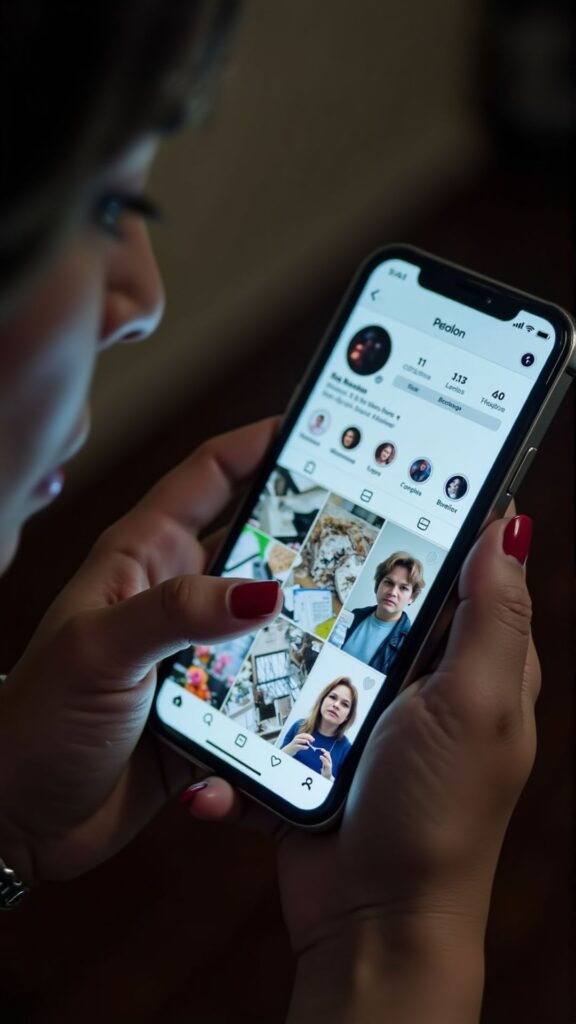
Social media platforms require specialized reverse video search techniques because content is frequently reposted, compressed, and re-uploaded. Users extract frames and search across platforms like Facebook, X (Twitter), Instagram, and TikTok using visual search engines. OSINT tools are often used to track engagement patterns and repost chains. This method helps identify original uploaders and detect viral misinformation campaigns. Social media search requires contextual analysis, including captions, hashtags, and timestamps. It is widely used in digital investigations to trace content spread and verify authenticity across decentralized media environments.
How to find social media account from a video
Finding a social media account from a video involves analyzing visual clues, metadata, and platform-specific identifiers such as watermarks, usernames, or engagement patterns. Users can extract frames and run them through visual search engines to locate matching profiles or reposts. OSINT tools can also map content distribution across platforms. This technique is especially useful for identifying original creators or tracking misinformation sources. It requires combining reverse video search with profile analysis and keyword correlation. When used correctly, it provides strong evidence for content attribution and source verification across social media ecosystems.
Tracking original uploader using OSINT video investigation techniques
OSINT video investigation techniques involve tracing a video’s origin by analyzing digital footprints, metadata, and cross-platform distribution patterns. Investigators examine upload timestamps, embedded watermarks, and frame-level similarities to identify the earliest known version. They also use network analysis to map how the video spread across platforms. This process is critical for identifying original uploaders and verifying authenticity. It is widely used in cybersecurity, journalism, and intelligence research. By combining reverse video search with OSINT tools, analysts can reconstruct the full lifecycle of a video and determine its true source.

Advanced Video Source Tracing Techniques Using AI & OSINT Tools
Advanced video source tracing relies on AI-powered recognition systems, deep learning models, and OSINT frameworks that go beyond basic frame matching. These systems analyze motion patterns, facial structures, audio fingerprints, and metadata to determine authenticity and origin. They are essential for detecting deepfakes, manipulated content, and synthetic media. In 2026, these tools are widely used in cybersecurity, journalism, and enterprise intelligence workflows. They enable faster and more accurate identification of misinformation videos online. By integrating AI video recognition with OSINT databases, investigators can perform high-precision analysis and verify video authenticity at scale across global digital ecosystems.
You hunted the real source… now go hunt real engagement with Influencer Marketing.
Best AI tools to verify video authenticity and detect manipulation
AI tools for video authenticity verification use machine learning models to analyze inconsistencies in motion, lighting, audio synchronization, and facial expressions. These systems detect manipulated or synthetic content by comparing videos against trained datasets. They are essential for identifying deepfakes and edited footage. Many tools also include anomaly detection engines that flag suspicious frames. These AI systems significantly improve the accuracy of media verification tools used by journalists and cybersecurity professionals. They provide real-time validation of viral content and help reduce misinformation spread across digital platforms.
AI video recognition and deepfake detection tools
AI video recognition systems analyze frame sequences, facial mapping, and motion dynamics to identify whether a video has been altered or generated artificially. Deepfake detection tools use neural networks to detect inconsistencies invisible to the human eye. These tools are widely used in OSINT workflows and enterprise security systems. They help verify authenticity by comparing videos against verified datasets. This technology plays a critical role in combating misinformation, especially in political and viral media contexts. It ensures higher trust in digital communication channels by detecting synthetic manipulation early.
Verified That Video? Now Slam the Door on Annoying Ads – One Click, Block Ads
How to check if a video is fake or real using AI systems
To check if a video is fake or real using AI systems, users upload the video into verification platforms that analyze frame integrity, motion consistency, and audio synchronization. The system assigns a probability score indicating authenticity. If anomalies are detected, the video is flagged for further review. These systems compare content with known datasets to identify manipulation patterns. This process is widely used in journalism and cybersecurity to validate viral content. It ensures that misleading or AI-generated videos are detected before they spread widely across digital platforms.

Best OSINT tools for video search and cyber investigation
OSINT tools for video search and cyber investigation provide structured frameworks for tracking, analyzing, and verifying digital media across open sources. These tools aggregate data from social networks, websites, and archives to reconstruct video origin and distribution history. They are essential in cybersecurity investigations, journalism, and intelligence analysis. By combining reverse video search with metadata extraction and network mapping, OSINT tools help identify misinformation campaigns and malicious content. They also support enterprise-level investigations by offering scalable data analysis and real-time monitoring of video activity across global platforms.
Enterprise video investigation tools for cybersecurity teams
Enterprise video investigation tools are designed for large-scale cybersecurity operations where monitoring and verification of multimedia content is critical. These systems integrate AI analytics, metadata extraction, and cross-platform tracking to identify suspicious or malicious video activity. They help organizations detect data leaks, misinformation campaigns, and unauthorized content distribution. These tools also provide audit trails and forensic reporting for compliance purposes. In enterprise environments, they are essential for maintaining digital integrity and protecting brand reputation against manipulated or misleading video content.
Digital video forensics and metadata analysis techniques
Digital video forensics involves examining video files at a technical level to extract metadata such as creation time, device information, compression artifacts, and editing history. This analysis helps determine whether a video has been altered or tampered with. Metadata inconsistencies often reveal manipulation or reposting. Forensic tools also analyze frame structure and encoding patterns to detect anomalies. This technique is widely used in legal investigations, cybersecurity, and media verification workflows to ensure authenticity and reliability of digital evidence.
How multimedia search technology improves accuracy in investigations
Multimedia search technology improves investigation accuracy by combining image recognition, video indexing, and AI-driven pattern matching. It enables investigators to search across massive datasets using visual and contextual cues instead of text alone. This enhances the ability to trace video origins, identify duplicates, and detect misinformation. By integrating machine learning algorithms, these systems continuously improve accuracy over time. They are essential in modern OSINT workflows and provide scalable solutions for analyzing large volumes of digital media efficiently.
How to Find the Original Video Source and Detect Reposted Content
Finding the original video source is a core function of Reverse Video Search and modern OSINT workflows. It involves identifying the earliest upload of a video, tracing its redistribution path, and distinguishing original content from reposts or edited versions. This process uses frame-based matching, metadata inspection, and cross-platform search techniques. In 2026, this is essential for combating misinformation videos online and ensuring media authenticity verification. Analysts combine AI tools with visual search engines to detect duplicates and verify originality. This section explains how to reconstruct video provenance, detect repost chains, and identify where a video truly originated across digital ecosystems.
How to find original video source using reverse search video tools
Reverse search video tools help identify the original uploader by comparing extracted frames against indexed databases across the internet. Users upload screenshots or key frames, and the system returns visually similar matches. The earliest indexed match often indicates the original source or closest available upload. This method is widely used in journalism, cybersecurity, and OSINT investigations. It is effective for identifying reposted content across social platforms and news websites. Combining multiple frames improves accuracy, especially when videos are compressed or altered. These tools form the foundation of modern video source tracing workflows and multimedia verification systems.
How to identify video location or source using visual clues
Visual clues such as landmarks, language text, uniforms, signage, or environmental context are critical for identifying video origin. Analysts examine frames to detect geographic or contextual markers that reveal where the video was recorded. These clues are then cross-referenced with search engines and OSINT databases. This method is particularly effective when metadata is missing or removed. It helps narrow down origin possibilities and validate authenticity. In professional investigations, visual clue analysis is combined with reverse video search tools to build a stronger evidence chain for source verification.
Best website to find video source online in 2026
In 2026, the most effective platforms for finding video sources include advanced visual search engines, AI-powered video indexing systems, and OSINT-based investigation platforms. These systems allow frame-based searching, video-to-video comparison, and deep metadata analysis. They are designed to detect duplicates and trace content origins across global networks. Users rely on them for verifying viral content, detecting misinformation, and identifying original uploaders. The best platforms typically integrate AI recognition, reverse image search, and cross-platform indexing to ensure higher accuracy and faster results in video source tracing.
How to find duplicate videos online and track reposts
Finding duplicate videos involves scanning multiple platforms to identify identical or near-identical content. Reverse Video Search tools break videos into frames and compare them across indexed datasets to detect reposts. This process helps identify content duplication across social media, news sites, and video-sharing platforms. It is widely used in copyright enforcement, journalism, and misinformation tracking. By analyzing upload timestamps and engagement patterns, investigators can reconstruct how a video spread across the internet. This ensures accurate attribution and helps prevent misleading or unauthorized content distribution.
Video reverse lookup methods for content verification
Video reverse lookup methods combine frame extraction, AI recognition, and metadata analysis to verify content authenticity. These methods compare video frames against known databases to detect matches or near-duplicates. They are used to confirm whether a video has been previously published or altered. This approach is essential for fact-checking viral media and identifying manipulated content. OSINT professionals rely on reverse lookup techniques to validate sources before publishing reports or investigative findings. It enhances reliability in digital media verification workflows.
How to trace misinformation videos spreading across platforms
Tracing misinformation videos involves monitoring how content spreads across social networks, websites, and messaging platforms. Analysts use OSINT tools to track repost chains, identify amplification sources, and detect coordinated sharing patterns. Frame-based search helps locate identical uploads across platforms. Metadata analysis reveals timing and distribution behavior. This process is critical for identifying viral misinformation campaigns and stopping their spread. It allows organizations to respond quickly and maintain digital trust by removing or flagging misleading content early.

Professional Tools for Reverse Video Search (Free & Paid Solutions)
Professional Reverse Video Search tools provide advanced capabilities for investigators, journalists, and enterprises needing high-accuracy video analysis. These platforms combine AI, OSINT databases, and multimedia indexing systems to deliver precise source tracing. They support frame-based search, video-to-video matching, and deep metadata extraction. In 2026, these tools are essential for combating misinformation, detecting deepfakes, and verifying digital content at scale. They are available in both free and paid versions, offering different levels of accuracy, speed, and analytical depth depending on user needs.
Best reverse video search engine and platforms in 2026
The best reverse video search engines in 2026 integrate AI recognition, frame matching, and cross-platform indexing to identify video sources quickly. These platforms allow users to upload frames or clips for analysis and return visually similar results across the web. They are widely used in OSINT investigations and media verification workflows. Advanced engines also include deepfake detection and duplicate tracking features. These systems are essential for identifying misinformation videos online and verifying authenticity in real time across global digital ecosystems.
Video search engine vs visual search engine comparison
A video search engine processes full video files or sequences, analyzing motion and temporal patterns, while a visual search engine focuses on still frames and image-based matching. Video search engines offer deeper contextual analysis, whereas visual search engines are faster and more accessible. Both are used in reverse video search workflows depending on complexity and accuracy requirements. Combining both approaches improves reliability in source tracing and misinformation detection. This hybrid method is widely adopted in professional OSINT and cybersecurity investigations.
Top AI-powered video search tools for professionals
AI-powered video search tools use machine learning models to analyze frames, detect objects, and match visual patterns across large datasets. These tools help professionals identify original sources, detect duplicates, and verify authenticity. They are widely used in journalism, cybersecurity, and enterprise investigations. Advanced systems include anomaly detection, facial recognition, and metadata analysis. These capabilities make them essential for high-precision video verification workflows and digital forensic analysis in modern investigative environments.
Cybersecurity tools for video tracking and verification
Cybersecurity video tracking tools monitor digital media for unauthorized use, manipulation, and distribution. They integrate OSINT frameworks, AI detection systems, and metadata analysis to trace video origins and identify threats. These tools are used to detect deepfakes, misinformation campaigns, and data leaks. They also support incident response teams by providing real-time alerts and forensic reports. In enterprise environments, they are critical for protecting digital assets and ensuring media integrity across communication channels.
Media verification tools for journalists and investigators
Media verification tools help journalists and investigators confirm the authenticity of videos before publication or reporting. These tools analyze frame consistency, metadata, and cross-platform matches to detect manipulation. They are essential for fact-checking viral content and ensuring credibility in news reporting. Many tools also include AI-based deepfake detection and reverse video search capabilities. They improve trust in journalism by ensuring only verified content is published or shared with audiences.
Professional video verification software for enterprises
Professional video verification software provides enterprise-grade solutions for large-scale media analysis. These systems combine AI, OSINT databases, and forensic tools to detect fake or manipulated content. They offer real-time monitoring, automated alerts, and detailed reporting features. Enterprises use them to protect brand reputation, prevent misinformation, and ensure compliance with digital content standards. These systems are scalable and designed for high-volume video analysis across global platforms.

How to Verify Video Authenticity and Detect Fake or Stolen Content
Video authenticity verification is a structured process used to determine whether a video is original, manipulated, or reused without context. In modern digital ecosystems, misinformation spreads quickly, making verification essential for journalists, investigators, and businesses. The process combines Reverse Video Search, metadata inspection, frame analysis, and AI-based detection systems. By cross-checking visual evidence with trusted sources, analysts can confirm originality and detect stolen or altered content. In 2026, advanced verification systems also integrate machine learning and OSINT frameworks to ensure higher accuracy. This section explains how to validate video credibility, identify manipulation, and protect against misleading or reused media content online.
How to verify video authenticity using metadata and frame analysis
Video authenticity verification begins with metadata analysis, which examines technical details such as creation time, device type, compression history, and editing software traces. Frame analysis complements this by inspecting visual consistency across sequences, identifying anomalies like lighting mismatches or frame duplication. Together, these techniques help determine whether a video has been altered or republished. Reverse Video Search is then used to cross-check frames against indexed databases to find original sources. This combined approach is widely used in OSINT workflows and digital forensics investigations to ensure reliable media validation and accurate source identification.
How to check if a video is stolen or reposted
To check if a video is stolen or reposted, investigators extract key frames and run them through visual search engines to identify prior uploads. Matching results across platforms often indicate reuse or duplication. Upload timestamps and engagement history further help determine originality. OSINT tools also map repost chains across social media platforms to trace distribution paths. This process is essential for detecting unauthorized content use and misinformation campaigns. It ensures proper attribution and helps identify whether a video has been repurposed without context or permission.
Warning signs of manipulated or edited videos
Manipulated videos often display visual inconsistencies such as mismatched lighting, unnatural motion, pixel distortion, or audio-video sync issues. Deepfake content may show irregular facial movements or unnatural expressions. Reposted videos may include cropped frames or altered overlays to remove original context. Analysts look for these warning signs during verification workflows. When combined with AI detection tools, these indicators help confirm whether a video has been digitally altered. Identifying such anomalies is critical for maintaining media integrity and preventing misinformation spread across digital platforms.
How to detect deepfake or AI-generated videos
Deepfake detection involves analyzing videos for synthetic patterns generated by AI models. These include unnatural facial movements, inconsistent blinking patterns, and irregular lighting or shadows. Advanced systems use neural networks trained on large datasets to detect manipulation artifacts. Reverse Video Search is also used to compare suspicious clips against known originals. This helps determine whether content has been artificially generated or modified. In 2026, deepfake detection is a core component of media verification tools used in cybersecurity, journalism, and OSINT investigations to ensure authenticity and trustworthiness.
Digital video forensics techniques for fake detection
Digital video forensics examines compression patterns, pixel-level inconsistencies, and encoding anomalies to detect tampering. Experts analyze frame sequences to identify edits, splicing, or synthetic insertion. Metadata validation further supports authenticity checks by revealing inconsistencies in file history. These forensic methods are widely used in legal investigations and cybersecurity operations. Combined with AI-powered analysis, they provide a high level of accuracy in detecting fake or altered videos. This ensures reliable verification of digital evidence in sensitive cases.
AI-based anomaly detection in viral videos
AI-based anomaly detection systems scan viral videos for irregular patterns that deviate from normal behavior. These include inconsistent motion, unnatural transitions, and abnormal audio synchronization. Machine learning models compare content against verified datasets to flag potential manipulation. These systems operate in real time, making them effective for monitoring viral content across platforms. They are widely used in OSINT workflows and enterprise media verification systems. By detecting anomalies early, they help prevent the spread of misleading or AI-generated videos.
Cracked the Video Code? Now Find Out How YouTube Viral Random UGC Clips Are on the Internet

How do I verify if a viral video is real or misleading
Verifying viral video authenticity requires a structured approach combining Reverse Video Search, metadata analysis, and contextual investigation. Analysts examine the video’s origin, cross-check multiple sources, and evaluate whether the content aligns with verified events. In 2026, AI-powered verification tools further enhance accuracy by detecting manipulation and synthetic media. This process is critical for journalists, fact-checkers, and cybersecurity teams. It ensures that viral content is validated before being shared or published, reducing misinformation risks and improving digital trust across platforms.
Verified Your Video? Now Make It Go Viral in 30 Seconds!
Steps journalists use for media authenticity verification
Journalists follow a systematic workflow to verify video authenticity, starting with frame extraction and reverse search to locate original sources. They then analyze metadata, cross-reference reports, and verify contextual consistency with trusted outlets. OSINT tools are used to track distribution history and identify reposts. This structured approach ensures accuracy before publication. It is essential in breaking news verification and misinformation prevention. These steps help maintain journalistic integrity and ensure that only verified content reaches the public.
Common misinformation patterns in viral content
Common misinformation patterns include edited clips taken out of context, recycled footage presented as new, and AI-generated synthetic videos. Some viral content may also include misleading captions or manipulated timestamps. These patterns are designed to distort perception and increase engagement. Analysts use Reverse Video Search and OSINT tools to identify such manipulations. Recognizing these patterns is essential for preventing misinformation spread and ensuring accurate digital communication across social and news platforms.

How to Investigate Viral Videos Using Reverse Video Search (OSINT Workflow)
Investigating viral videos requires a structured OSINT workflow that combines Reverse Video Search, metadata inspection, and cross-platform tracking. Analysts break videos into frames, identify key visual markers, and trace their distribution across social networks. This process helps uncover original sources, detect manipulation, and map viral spread patterns. In 2026, advanced AI tools further enhance investigation accuracy by analyzing patterns at scale. This workflow is essential for cybersecurity teams, journalists, and researchers working to verify digital content and combat misinformation.
How to investigate viral videos online step-by-step
The investigation process begins with extracting key frames from the viral video. These frames are then uploaded to visual search engines to identify matches. Analysts cross-check results across platforms to locate the earliest upload. Metadata and contextual clues are then examined to confirm authenticity. OSINT tools help map distribution chains and identify repost networks. This step-by-step workflow ensures accurate verification and helps uncover the origin of viral content efficiently.
Search reverse video workflow used by OSINT professionals
OSINT professionals use a structured reverse video workflow that integrates frame extraction, visual search, metadata analysis, and cross-platform tracking. Each step builds a chain of evidence that helps identify the original source. This workflow is highly effective in detecting misinformation campaigns and verifying viral content. It ensures that analysis is not reliant on a single tool but instead combines multiple verification layers for accuracy and reliability.
Cross-platform verification methods for accuracy
Cross-platform verification involves comparing video content across multiple social media and news platforms to identify consistency or duplication. Analysts check upload times, captions, and visual integrity across sources. This method helps confirm whether a video is original or reposted. It is a key component of OSINT investigations and ensures higher accuracy in media validation workflows.
How to trace a video online using advanced search video techniques
Advanced search video techniques involve combining AI-based recognition, frame clustering, and metadata analysis to trace video origins. These methods go beyond basic reverse image search by analyzing motion patterns and contextual data. They are highly effective for tracking complex misinformation networks and identifying synthetic content. This approach is widely used in cybersecurity and intelligence investigations to ensure precise source tracing.
Can I track a video source from a screenshot? Explained
Yes, a video source can often be tracked using a screenshot by uploading it to reverse image search engines. The system compares the image against indexed databases to find matches. While not always perfect, this method is effective when combined with multiple frames. It is widely used in OSINT workflows for quick source identification when full video files are unavailable.
Combining image + video search for better results
Combining image and video search significantly improves accuracy in source tracing. Users extract multiple frames and run them through different visual search engines while also analyzing contextual metadata. This hybrid approach increases the chances of finding original sources and detecting duplicates. It is widely used in professional investigation workflows to ensure reliable verification of digital media.

Why Choose GDMS for Reverse Video Search & Media Verification Solutions
Choosing a structured and AI-powered solution provider is essential for accurate Reverse Video Search and media verification. GDMS delivers enterprise-grade tools designed for video source tracing, misinformation detection, and digital forensics workflows. The system combines AI video recognition, OSINT frameworks, and multimedia search technology to ensure precise results. It helps businesses, journalists, and investigators verify authenticity, detect manipulated content, and trace original video sources efficiently. GDMS focuses on accuracy, scalability, and real-time intelligence for modern digital ecosystems.
Complete solution for content verification tools and OSINT systems
GDMS provides a complete ecosystem of content verification tools and OSINT systems designed for advanced video analysis. These tools integrate frame-based search, AI recognition, and metadata inspection to identify original sources and detect manipulation. The system supports enterprise-level investigations and real-time monitoring of viral content. It ensures accuracy in identifying misinformation videos online and strengthens digital trust through reliable verification workflows.
How GDMS ensures accuracy in video source tracing
GDMS ensures accuracy in video source tracing by combining AI-driven frame analysis with cross-platform OSINT data aggregation. This multi-layered approach reduces false matches and improves identification precision. The system continuously updates its indexing models to reflect new content across platforms. This ensures that users can reliably trace video origins even in complex or rapidly spreading misinformation scenarios.
Real-time video authenticity verification systems
Real-time verification systems provided by GDMS analyze incoming video streams instantly using AI anomaly detection and metadata validation. These systems flag suspicious content before it spreads widely. They are essential for news organizations, cybersecurity teams, and enterprises dealing with high-volume media environments. Real-time processing ensures fast decision-making and prevents misinformation amplification.
Benefits of video investigation and SEO intelligence
Video investigation combined with SEO intelligence helps organizations understand how content spreads, ranks, and influences audiences online. It improves visibility into misinformation patterns and supports strategic decision-making. GDMS integrates these insights to enhance both security and digital marketing performance. This dual approach ensures that businesses not only detect risks but also optimize their content visibility and authority in search ecosystems.
Why businesses trust GDMS for advanced video search strategies
Businesses trust GDMS for advanced video search strategies because it provides reliable, scalable, and AI-enhanced solutions for content verification. It enables organizations to detect manipulated media, track content reuse, and improve digital trust. The platform’s integration of OSINT and AI makes it suitable for enterprise-level investigations and media monitoring.
Advantages and disadvantages of verified media insights
Verified media insights offer high accuracy, reduced misinformation risk, and improved decision-making. However, they require advanced tools and structured workflows to maintain consistency. While they improve trust and reliability, they also depend on data availability and system coverage. GDMS addresses these challenges by combining AI, OSINT, and continuous indexing to maximize benefits and minimize limitations in video verification processes.
Ready for the Next Step? Track Your Brand Everywhere AI Shows It